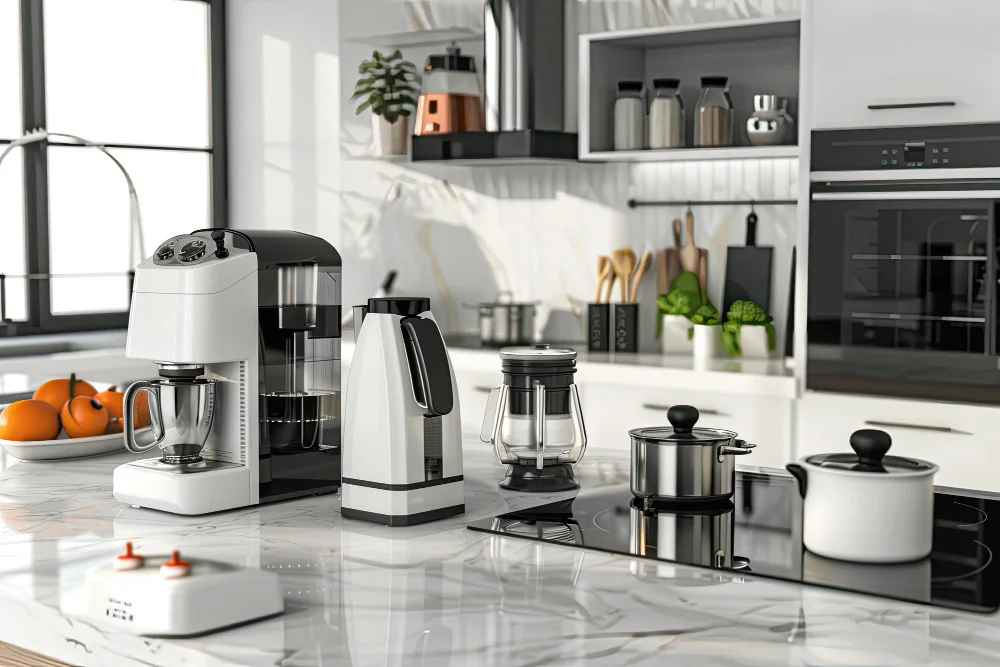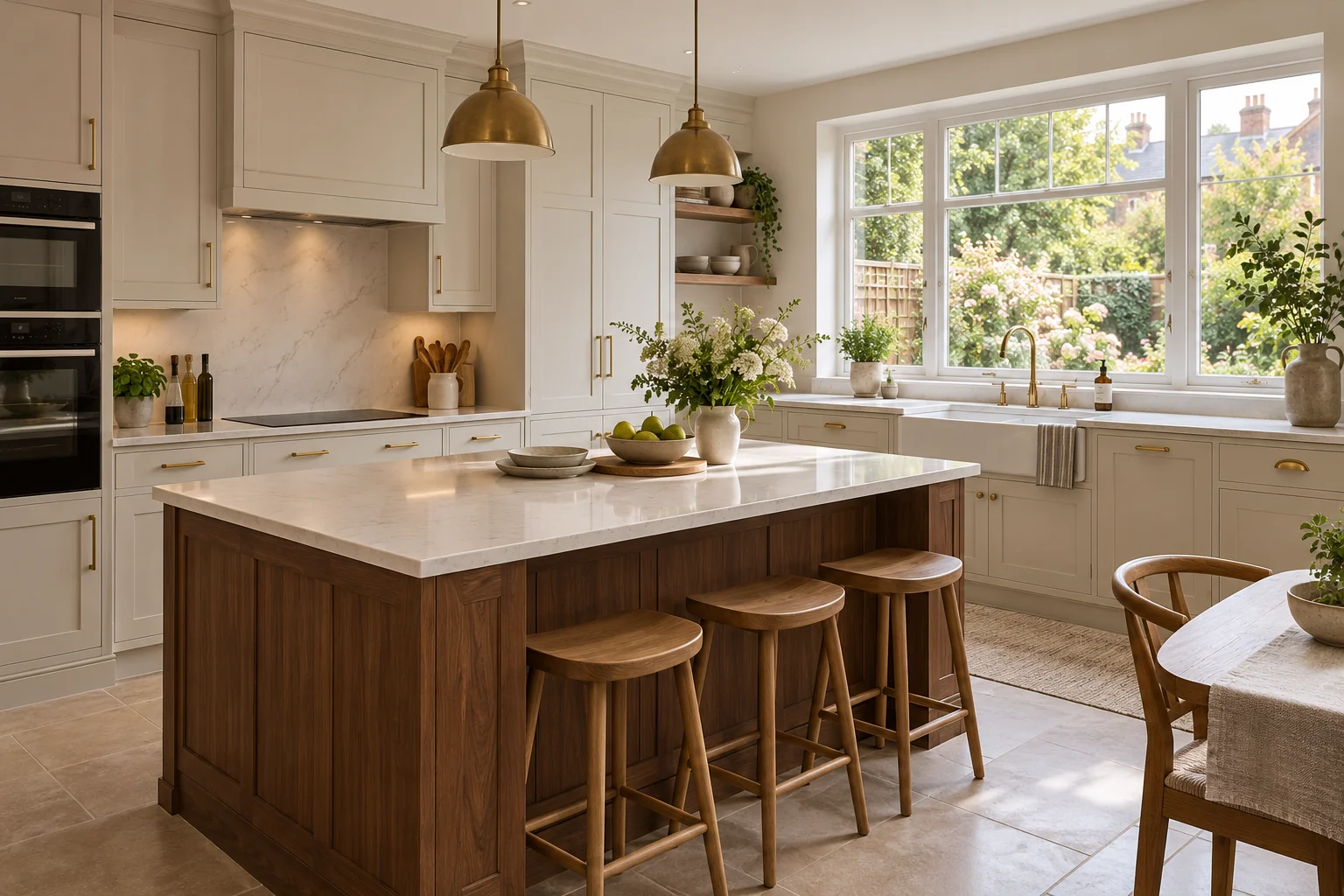
Try "kitchen decor", "appliances", or "renovation tips"
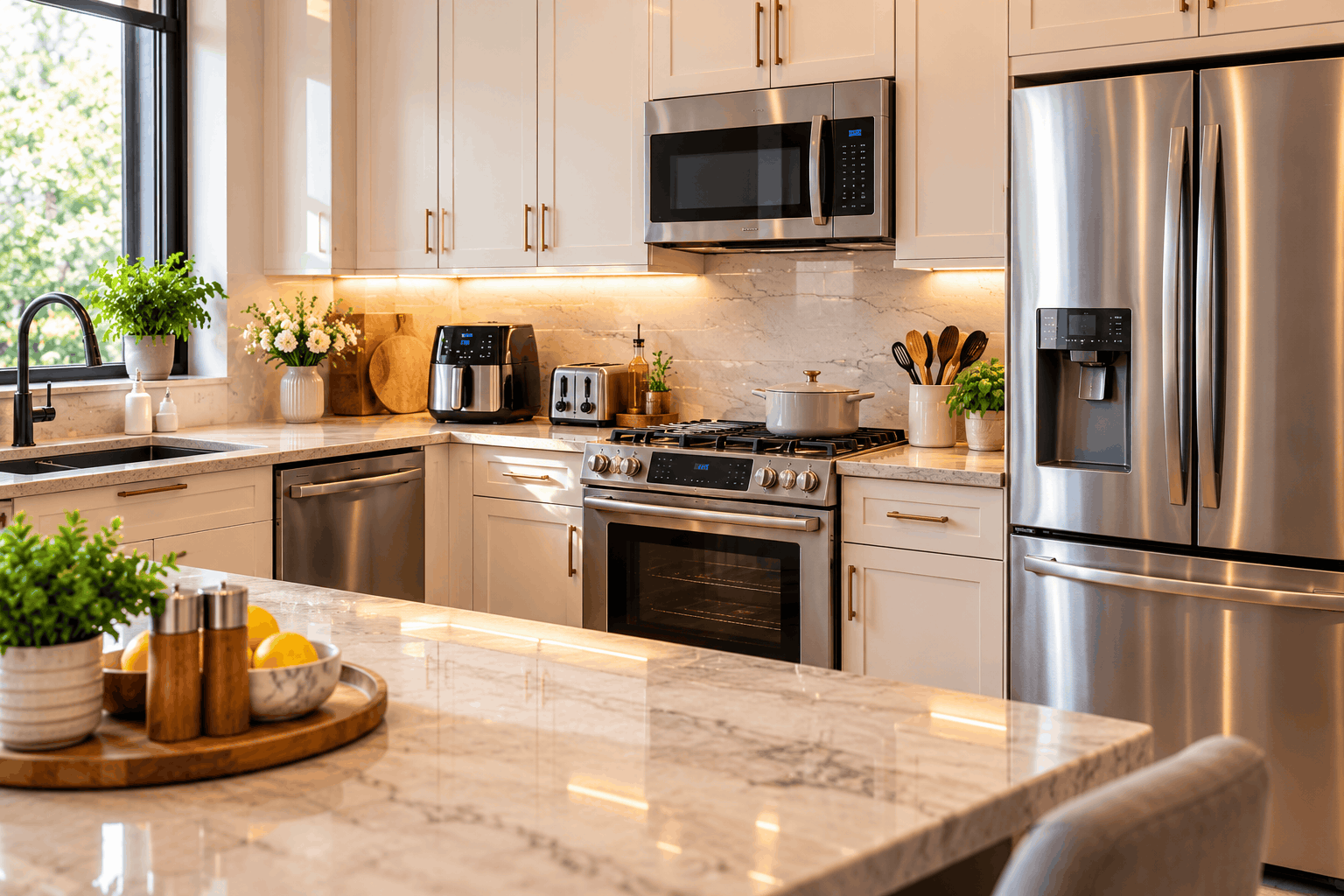
Upgrading your kitchen appliances can transform the way your kitchen looks, feels and functions. You don’t necessarily need to replace your cabinets or undertake a complete renovation to make a noticeable difference. Replacing a few outdated appliances with modern alternatives can make everyday cooking easier, reduce clutter and help you use your kitchen more efficiently.
For UK homeowners, upgrading appliances is also an opportunity to make better use of limited kitchen space. Whether you live in a compact London flat, a Victorian terrace, a semi-detached family home or a modern new build, the right appliances can make your kitchen considerably more practical. The key is to choose appliances that suit the way you actually live rather than simply buying the newest models available.
Before spending money on replacements, take a proper look at the appliances you already have. Not everything that looks slightly dated needs replacing. An older microwave that still works perfectly may be fine, while an unreliable oven or fridge freezer could deserve your attention first.
Consider each appliance individually and ask:
Prioritising appliances that cause genuine problems allows you to spend your money where it will make the biggest difference.
Modern kitchen appliances come with an enormous range of features, from touchscreen controls and smartphone connectivity to automatic cooking programmes. While these features can be useful, they aren’t necessarily essential.
Think about your normal routine before choosing an appliance. A large family may benefit from a spacious fridge freezer and full-size dishwasher, whereas someone living alone in a small flat may prefer compact appliances that leave more room for storage.
For example, buying an oversized American-style fridge freezer may sound appealing, but it may not be practical if your kitchen has limited floor space and your household doesn’t need the additional capacity.
The best appliance upgrade isn’t necessarily the most expensive one. It’s the one that solves a problem you encounter regularly.
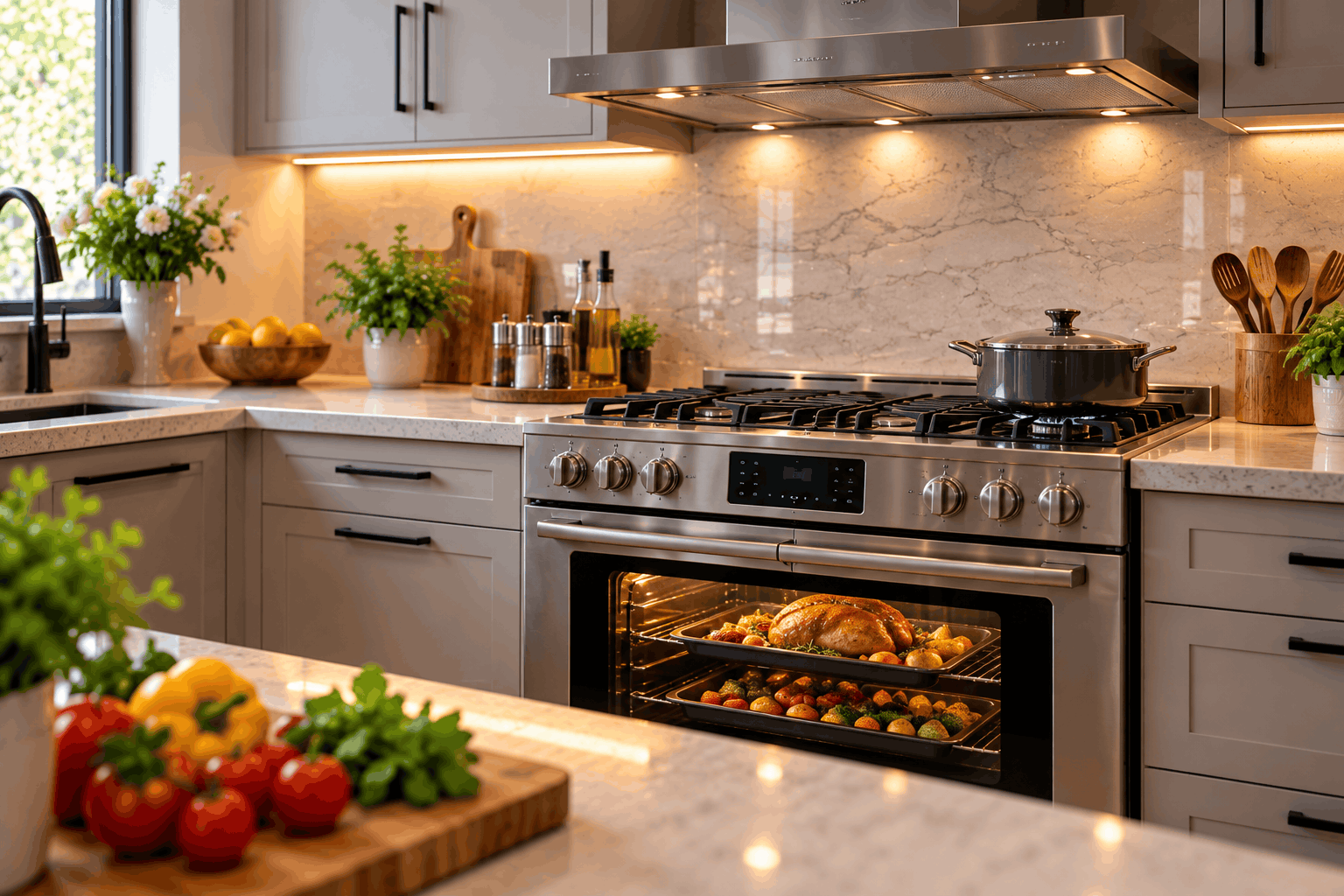
The oven and hob are central to most kitchens, so upgrading them can have a significant impact on everyday cooking. If your existing oven heats unevenly, has unreliable controls or has a damaged door seal, replacing it could make cooking more consistent and convenient.
Modern ovens can offer:
However, don’t choose a model simply because it has the longest list of features. Consider what you actually cook and how frequently you use the oven.
Someone who regularly prepares large Sunday roasts will have different requirements from someone who mainly cooks quick weekday meals.
Induction hobs have become increasingly popular in modern UK kitchens. They heat compatible cookware directly, providing responsive temperature control and a smooth cooking surface that’s relatively easy to wipe clean.
Before making the switch, check whether your existing pans are suitable for induction cooking. You may need to replace some cookware, which should be included in your overall budget.
You should also check the electrical requirements of the hob and make sure your kitchen’s existing installation can support the appliance.
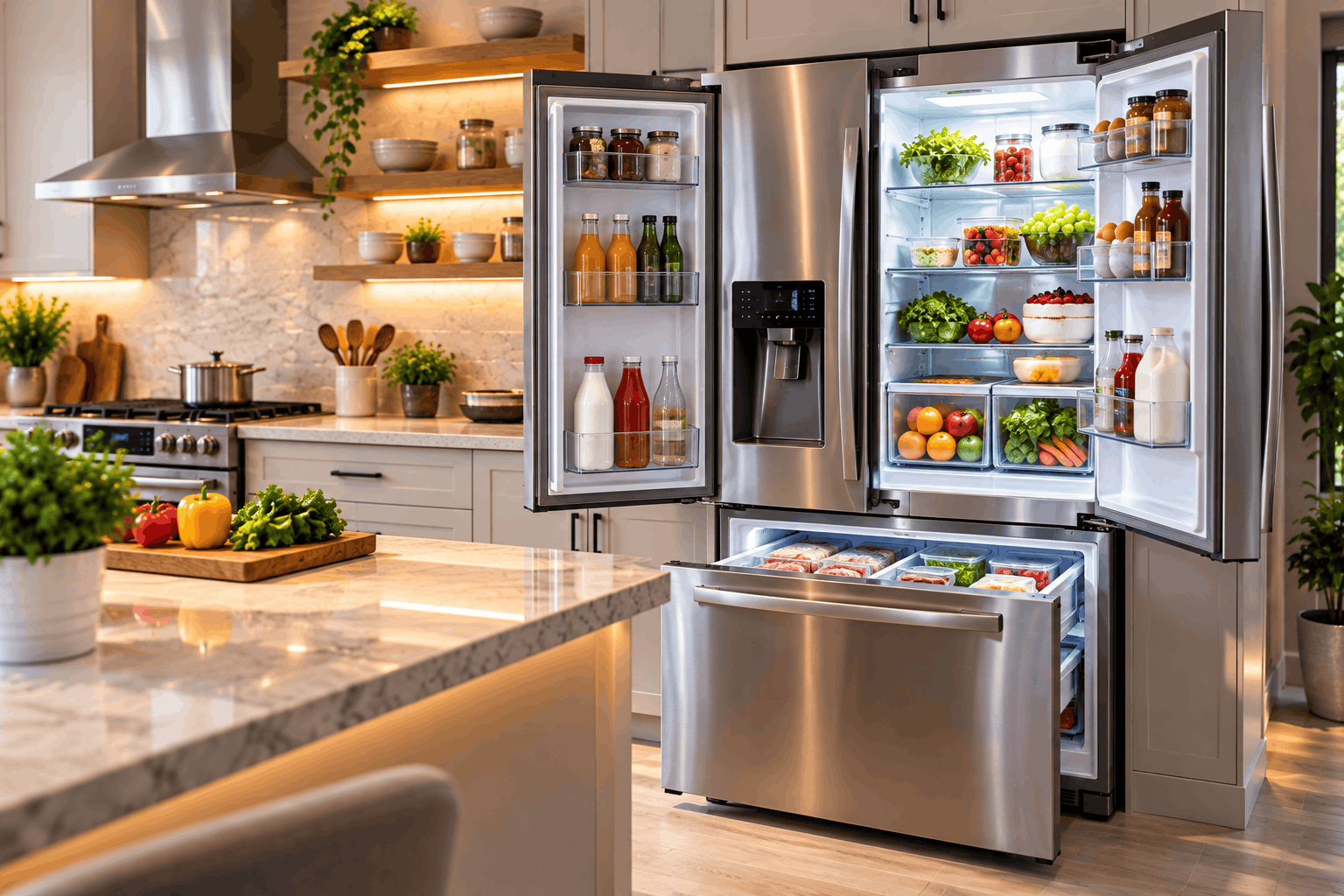
Your fridge freezer operates continuously, making it one of the most important appliances to consider when planning an upgrade.
Start by thinking about how much food your household normally stores. A couple in a small flat may have little need for an enormous freezer, while a larger family could benefit from generous freezer drawers and flexible fridge storage.
Useful features may include:
Don’t automatically assume that a larger appliance is better. A bigger fridge freezer takes up more space and may consume more energy.
Measure the available area carefully, including the space required for doors to open properly and any ventilation requirements specified by the manufacturer.
This is particularly important in smaller UK kitchens where every centimetre can matter.
For households that regularly wash large quantities of dishes by hand, adding or upgrading a dishwasher can be one of the most practical kitchen improvements.
Slimline models can work well in smaller kitchens, while full-size dishwashers are often more suitable for families.
When comparing models, consider:
Noise is particularly important in open-plan kitchens. A quieter dishwasher is much less intrusive when the kitchen shares space with a dining or living area.
The extractor fan is often overlooked when homeowners plan appliance upgrades, yet it plays an important role in keeping a kitchen comfortable.
Cooking produces steam, grease and food odours. Without adequate extraction, moisture and airborne grease can settle on walls, splashbacks and kitchen cabinets.
When replacing an extractor, consider:
A properly selected extractor can help reduce condensation and make routine kitchen cleaning easier.
A microwave doesn’t have to be the most technologically advanced appliance in your kitchen.
If you mainly use yours for reheating leftovers, defrosting food or warming drinks, a straightforward model may be all you need.
Combination microwaves can be useful where kitchen space is limited. Depending on the model, they may combine microwave cooking with grilling and oven-style cooking.
If you’re short on worktop space, an integrated microwave can also help create a cleaner and more organised appearance.
Major appliances aren’t the only things worth considering when upgrading your kitchen. Small appliances can also make a noticeable difference to everyday routines.
Depending on your lifestyle, you might benefit from upgrading:
However, avoid buying appliances simply because they’re fashionable. A kitchen filled with gadgets that are rarely used can quickly become cluttered.
Before purchasing a new small appliance, consider how often you’ll use it, where you’ll store it and whether it genuinely provides something your existing equipment doesn’t.
Energy efficiency deserves careful consideration when replacing kitchen appliances, particularly for appliances that are used frequently or operate continuously.
When comparing models, look at the current UK energy label and pay attention to the stated energy consumption. Don’t rely solely on the efficiency rating because actual energy use can also depend on appliance size and usage.
A very large appliance may have an impressive efficiency rating but still use more energy overall than a smaller appliance that better matches your household’s requirements.
You can also improve efficiency through everyday habits:
Small changes can make a difference over time.
One of the most frustrating mistakes homeowners can make is purchasing an appliance without properly measuring the available space.
Before ordering, measure:
Don’t forget about access to your home.
A large appliance might fit perfectly into the kitchen but prove difficult to bring through a narrow front door, hallway or staircase. This can be particularly relevant in older UK properties with tight entrances and unusual layouts.
Another important decision is whether to choose integrated or freestanding appliances.
Integrated appliances are designed to sit behind matching kitchen cabinetry, creating a streamlined and cohesive appearance. They can work particularly well in minimalist kitchens where you want appliances to blend into the overall design.
Freestanding appliances offer greater flexibility. They’re generally easier to replace individually and can be useful if you don’t intend to renovate the entire kitchen.
If you’re upgrading just one or two appliances, freestanding models may be the simpler option. If you’re planning a complete kitchen redesign, integrated appliances may provide a more consistent finish.
An appliance upgrade should improve the way you move around your kitchen rather than simply adding newer equipment.
Think about how you move between the:
If you constantly have to cross the kitchen carrying ingredients or hot cookware, your existing arrangement may not be particularly efficient.
You don’t always need to redesign the entire kitchen. Sometimes reorganising smaller appliances and storage can make a meaningful difference.
For instance, creating a dedicated breakfast area with the kettle, toaster and coffee machine together can make busy mornings much easier.
Noise levels are easy to overlook when you’re standing in a showroom, but they can become important once the appliance is running every day.
This is especially true in open-plan homes where the kitchen is connected to the living or dining area.
Pay particular attention to noise levels when buying:
If two models offer similar performance, choosing the quieter option may make the kitchen considerably more comfortable.

Smart kitchen appliances can provide features such as mobile notifications, remote monitoring, automated programmes and connectivity with other smart-home systems.
For example, receiving a phone notification when your dishwasher finishes could be useful if you’re working upstairs or away from the kitchen.
However, smart technology isn’t automatically better.
If you spend most of your day at home and can easily hear the dishwasher, paying considerably more for connected features may provide little practical value.
Before paying extra, ask whether the feature will genuinely improve your daily routine.
Some appliances are relatively straightforward to install, while others require professional attention.
Gas appliances and electrical work should be handled by appropriately qualified professionals. Plumbing connections may also require specialist installation depending on the appliance and existing setup.
When budgeting for a new appliance, include installation costs from the beginning. This prevents an attractive purchase price from becoming unexpectedly expensive once additional work is required.
Professional installation can also help ensure the appliance is fitted correctly and safely.
Replacing an appliance creates another question: what happens to the old one?
Rather than leaving unwanted appliances for general rubbish collection, look into responsible disposal options.
You could:
Recycling old appliances allows useful materials to be recovered and reduces unnecessary waste.
Before arranging collection, check whether the appliance needs to be emptied, disconnected or prepared in a particular way.
There’s no need to replace every appliance at the same time.
A staged approach can make a kitchen upgrade considerably easier to manage financially.
Start with the appliance that’s:
For example, you might replace an unreliable oven first, followed by the extractor, fridge freezer and dishwasher over time.
Remember to budget for delivery, installation, accessories and disposal as well as the appliance itself.
Upgrading your kitchen appliances isn’t about filling your home with the latest technology. It’s about creating a kitchen that works better for the people who use it.
Start by identifying genuine problems, measure your available space carefully and compare running costs alongside the initial purchase price. Consider capacity, noise, installation requirements, storage and how often you’ll actually use each appliance.
For UK homeowners, even a small number of well-chosen upgrades can make everyday life noticeably easier. A more efficient fridge freezer, quieter dishwasher, responsive induction hob or effective extractor can improve both cooking and cleaning without requiring a complete kitchen renovation.
Most importantly, don’t feel pressured to replace everything at once. A kitchen doesn’t need to look like a showroom to be successful. The best kitchen is one where the appliances, storage and layout work together naturally to make everyday life simpler, more comfortable and more efficient.

Make more of your kitchen with practical tips on furniture, decor, appliances, cleaning and renovation. Discover useful guides and food ideas to create a space that works beautifully every day.