Try "kitchen decor", "appliances", or "renovation tips"
A well-organised kitchen counter can make everyday cooking feel considerably easier. When appliances are scattered across the worktop, the kitchen can quickly feel cramped, even when there is plenty of available space. Kettles, toasters, coffee machines, microwaves and air fryers all need somewhere to live, but simply pushing them against the wall isn't always the best solution.
The way you arrange appliances should balance convenience, safety and appearance. Frequently used equipment should be easy to reach, while larger or occasional appliances can be stored away to keep valuable preparation space available.
This is particularly important in UK kitchens, where compact layouts are common. Whether you're working with a narrow galley kitchen, a small flat or a larger open-plan space, thoughtful appliance placement can make your worktop more practical and your kitchen easier to maintain.
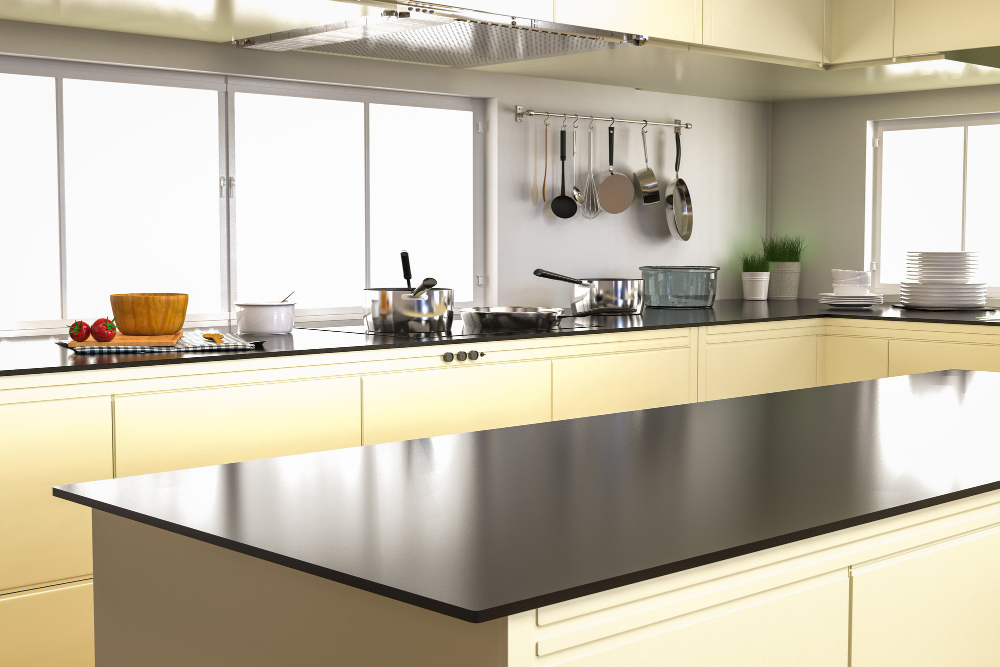
Before rearranging anything, remove every appliance from the worktop.
This gives you a clear view of the space and makes it easier to decide what genuinely needs to stay out.
Measure the usable length and depth of your counter, paying attention to areas around sinks, hobs and corners.
Also consider:
Don't plan your arrangement purely from above. Check whether appliances can be opened, used and cleaned without obstructing other parts of the kitchen.
Not every appliance needs permanent counter space.
A simple approach is to divide appliances into three groups:
Daily use: Keep these easily accessible.
Weekly use: Store them nearby but consider putting them away when not needed.
Occasional use: Keep them in a cupboard, pantry or utility area.
For example, if you make coffee every morning, keeping your coffee machine on the counter makes sense. A food processor that you use once a month probably doesn't need to occupy valuable worktop space every day.
This approach can instantly make a kitchen feel less cluttered.
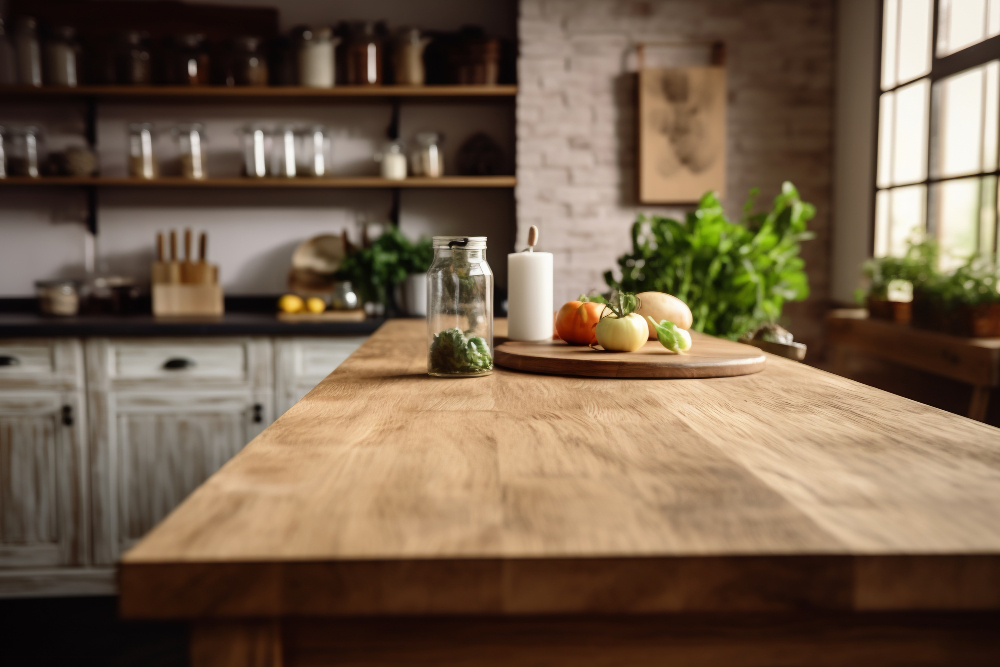
Rather than spreading appliances across the entire counter, group related equipment together.
A breakfast area could contain:
Keeping these items together makes morning routines faster and prevents appliances from appearing randomly distributed around the kitchen.
If you regularly use a blender, food processor or stand mixer, position these near the main preparation area.
This means ingredients can move naturally from storage to preparation without unnecessary trips across the kitchen.
Electrical access should be one of the first practical considerations when arranging countertop appliances.
Avoid stretching cables across the worktop or positioning appliances so that cords cross wet areas.
Keep cables neat by:
A tidy cable arrangement makes the kitchen look better and can also reduce potential hazards.
If you need additional sockets or electrical alterations, use a suitably qualified professional rather than attempting electrical work yourself.
The hob should generally have enough surrounding space for safe and comfortable food preparation.
Avoid filling the areas immediately beside the hob with appliances that could be affected by heat, steam or cooking splashes.
Consider keeping items such as:
away from areas where they could be exposed to excessive heat.
Always follow the manufacturer's guidance for individual appliances.
The sink is another high-use area that benefits from some breathing room.
Water splashes can damage certain appliances and create unnecessary cleaning work.
Try to position electrical appliances away from areas that regularly become wet.
This is particularly useful for kettles and coffee machines, which are often used close to the sink.
Keeping a clear section of counter beside the sink can also provide a convenient area for food preparation and washing ingredients.
Large countertop appliances can dominate a kitchen, so positioning them strategically can make the entire room feel more balanced.
Corners can be useful for appliances that aren't used constantly.
For example, a microwave or stand mixer may fit comfortably into a corner without interfering with the main preparation area.
However, avoid pushing an appliance so far into a corner that its controls or doors become difficult to access.
Accessibility matters as much as appearance.
Heavy appliances such as stand mixers can be awkward to move repeatedly, so if you use one frequently, giving it a permanent position may make sense.
Similarly, a coffee machine should ideally be positioned somewhere you can comfortably fill, operate and clean it.
Avoid placing appliances in locations where you have to reach over hot pans or other equipment.
The traditional kitchen work triangle focuses on the relationship between the fridge, sink and cooking area.
While modern kitchens don't always follow this layout strictly, the underlying idea remains useful: important activities should be positioned so you don't constantly walk back and forth.
If your food processor is positioned at the opposite end of the kitchen from your preparation area, you'll have to move ingredients and equipment unnecessarily.
Instead, organise your counter around the way you actually cook.
The goal isn't to create a showroom-perfect worktop. It's to make everyday tasks feel effortless.
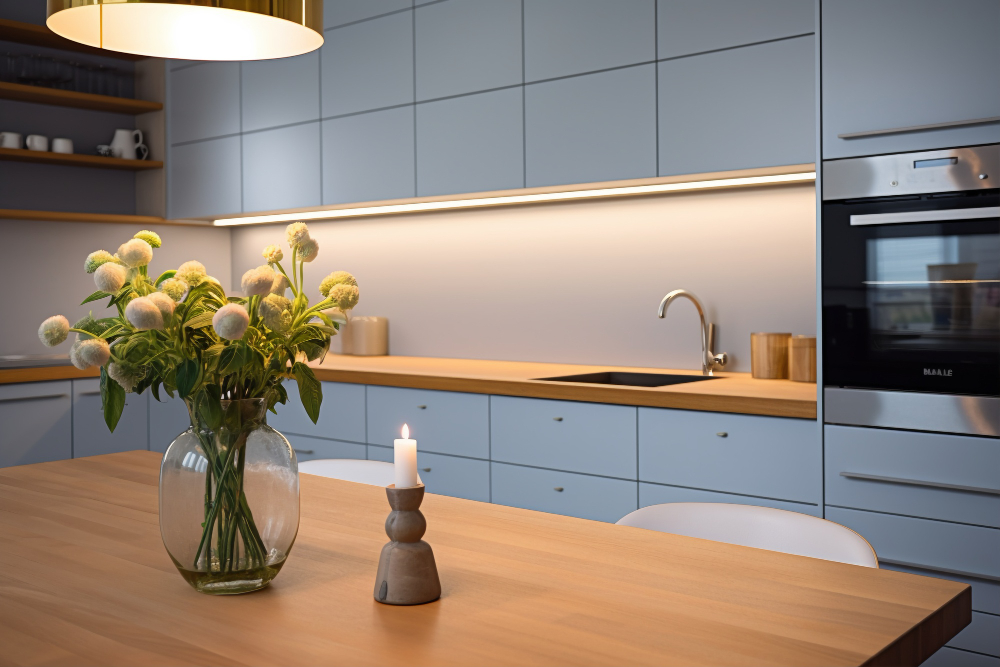
If your worktop is limited, look upwards.
Open shelves can provide storage for items such as:
This can free up valuable counter space.
However, don't cover every available wall with shelving. Too much visual clutter can make a small kitchen feel crowded.
If you want appliances to remain accessible without being visible, an appliance garage can be a useful solution.
Depending on the design, an appliance cabinet can house:
The doors can then be closed when the appliances aren't being used.
Make sure the cabinet provides appropriate ventilation and that appliances are not operated inside enclosed storage unless the manufacturer specifically permits it.
Microwaves can consume a surprisingly large amount of counter space.
If yours is currently taking up a prime preparation area, consider moving it to a dedicated shelf, appliance tower or suitable integrated position.
A microwave should be positioned at a comfortable height.
Avoid placing it so high that removing hot food becomes difficult or so low that you have to bend awkwardly every time you use it.
If you have young children, positioning also needs to take household safety into account.
A visually balanced worktop usually looks better when appliances aren't randomly positioned.
Larger appliances can sit towards the back or at the ends of the counter, while smaller appliances can occupy the central areas.
For example, a tall coffee machine could sit beside a shorter toaster rather than between two bulky appliances.
This creates a more intentional appearance without requiring a completely minimalist kitchen.
Air fryers have become a common sight in UK kitchens, but many models are surprisingly large.
If you use yours regularly, give it a dedicated position with sufficient surrounding clearance.
Don't push an air fryer directly underneath cabinets if the manufacturer's instructions require clearance above it.
Steam and heat can affect nearby cabinets and surfaces.
If you only use your air fryer occasionally, consider storing it in a suitable cupboard and bringing it out when required.
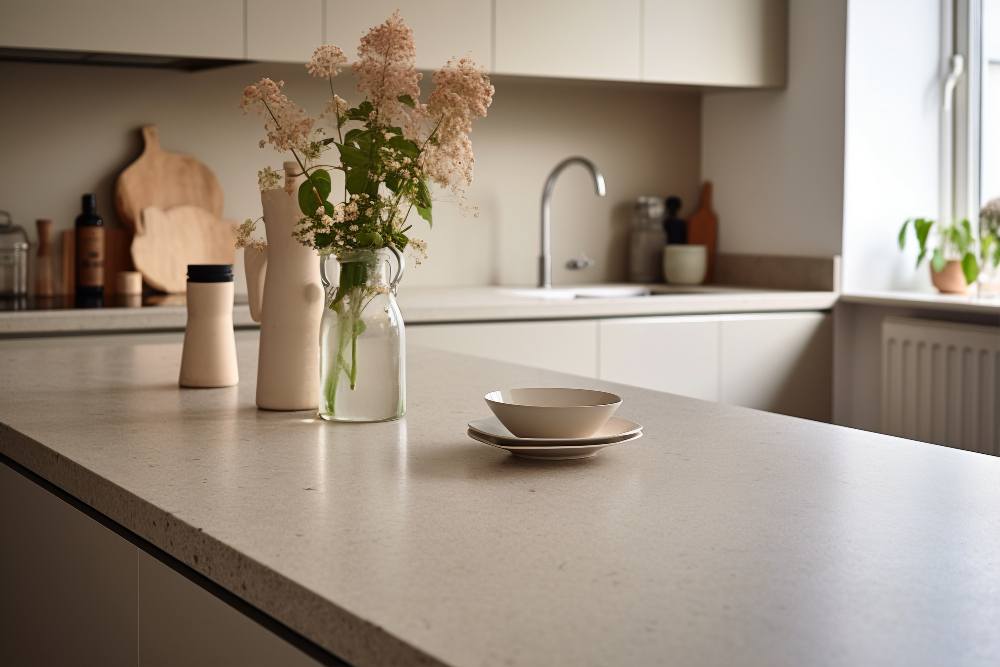
A good arrangement should make cleaning easier, not harder.
Appliances placed tightly against walls can collect crumbs and grease behind them.
Where appropriate, leave enough space to wipe around and behind appliances.
You don't need enormous gaps, but you should be able to clean the worktop without moving half the kitchen every time.
This becomes particularly important around cooking areas where grease and food particles can accumulate.
The ends of kitchen worktops can sometimes become wasted spaces.
If an end section is safely positioned away from heat and water, it can be useful for a frequently used appliance.
A coffee machine, toaster or microwave may work well here depending on the layout.
Just make sure the appliance doesn't obstruct a doorway, walkway or drawer.
A perfectly symmetrical arrangement may look attractive in photographs, but real kitchens need to function.
Don't place an appliance in an inconvenient location simply because it makes the counter look balanced.
A practical arrangement should allow you to:
Good design is about making the kitchen easier to live with.
One of the easiest ways to improve your countertop arrangement is simply to remove unnecessary appliances.
If you haven't used an appliance for several months, ask yourself whether it really needs permanent counter space.
Consider moving occasional appliances into:
This leaves your main worktop available for everyday tasks.
Your appliances should complement the kitchen rather than compete with it.
If you have a minimalist kitchen, too many appliances on display can undermine the look.
If you have a traditional kitchen, a few carefully selected appliances can add character without making the room feel cluttered.
Where possible, coordinate appliance finishes.
Black, stainless steel and white appliances can all work well, but repeating similar finishes helps create a more cohesive appearance.
You can also connect different appliances through cabinet handles, lighting fixtures and other kitchen hardware.
Your ideal countertop layout may change over time.
Perhaps you start using an air fryer regularly or buy a new coffee machine. Instead of simply adding another appliance to the counter, reassess the entire arrangement.
Remove anything you no longer use and give the new appliance a logical position.
A five-minute reset every few months can prevent gradual clutter from taking over.
Arranging appliances on a kitchen counter is about finding the right balance between convenience, safety and appearance. The goal isn't to create a completely empty worktop but to make sure every appliance has a sensible reason for being there.
Start by identifying which appliances you use most frequently, then create dedicated zones around your daily routines. Keep electrical equipment away from unnecessary moisture and heat, manage cables carefully and leave enough space for cleaning and food preparation.
For UK kitchens where worktop space can often be limited, using cupboards, drawers, pantries and appliance garages can make a significant difference. Don't be afraid to remove rarely used appliances from the counter altogether.
Ultimately, the best countertop arrangement is one that makes your kitchen easier to cook in, easier to clean and more pleasant to live in. A little planning can turn a cluttered worktop into a practical, organised part of your kitchen.

Make more of your kitchen with practical tips on furniture, decor, appliances, cleaning and renovation. Discover useful guides and food ideas to create a space that works beautifully every day.