Try "kitchen decor", "appliances", or "renovation tips"
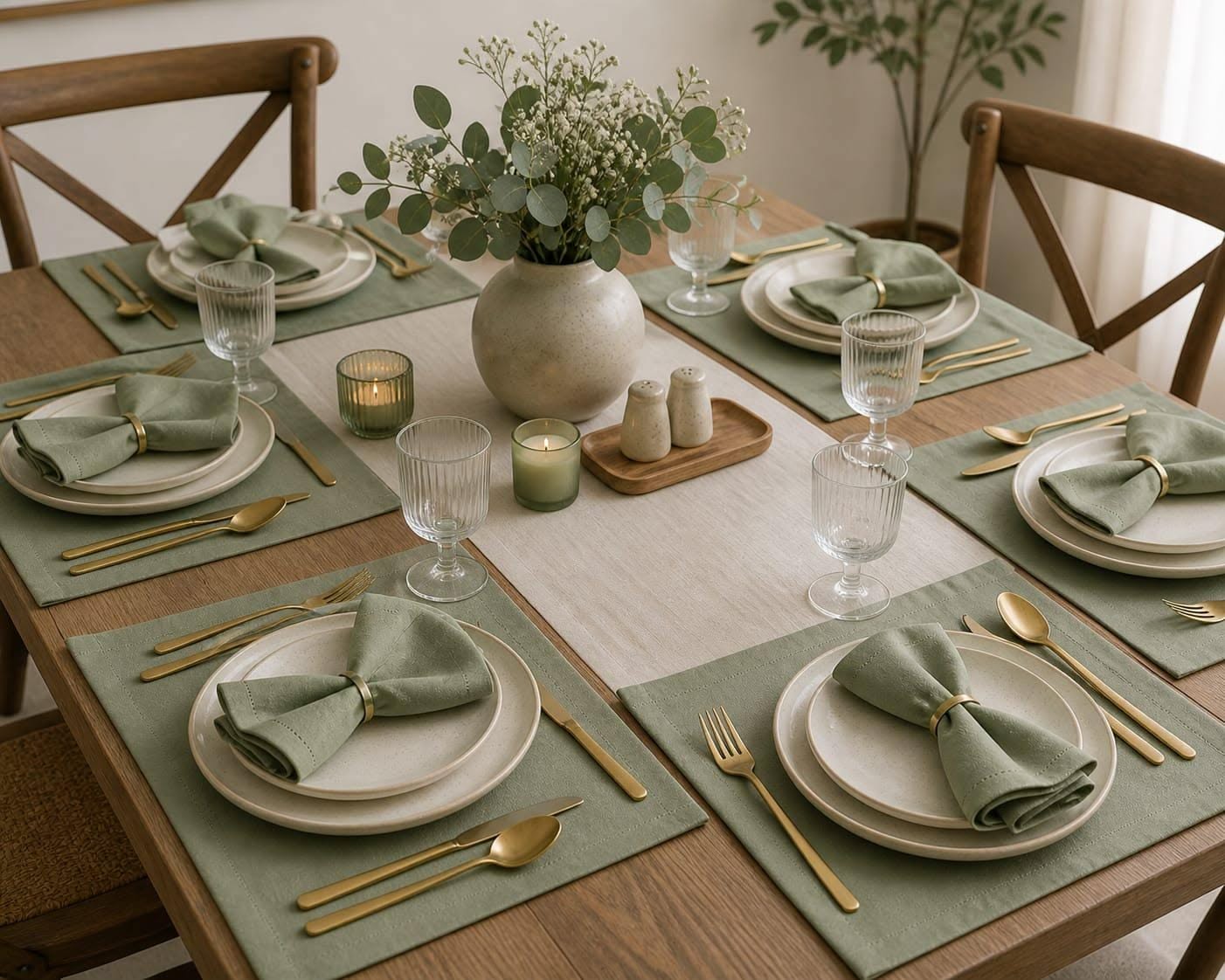
A well-set table does not need polished silver, matching china or a special occasion. Often, the most inviting tables are prepared for an ordinary Tuesday supper, a quick breakfast or a relaxed Sunday roast. A few thoughtful touches can make the dining area feel calmer and stop it becoming a permanent dumping ground for post, laptops and shopping bags.
The best everyday table setting ideas are practical first and decorative second. They should suit your household, survive spills and take only minutes to arrange. That matters in British homes, where the table may also work as a home office, homework station or extra kitchen surface. Current dining-room thinking reflects this move towards flexible, multifunctional spaces rather than formal rooms used only for guests.
For a normal meal, place the dinner plate in the centre, the fork on the left and the knife on the right with its blade facing inward. Add a spoon only when needed. A water glass can sit above the knife, while the napkin may go on the plate or beside the fork.
There is no need for several glasses or layers of cutlery for beans on toast. The aim is to make the meal feel considered without creating more washing-up. John Lewis’s UK guide also treats linen, crockery, cutlery and glassware as choices that should suit the meal rather than rigid rules. ild a Reliable Everyday Set
Choose four or six dinner plates, side plates, bowls and glasses that work together. They do not need to come from one range. Plain plates, coloured bowls and clear tumblers often look more relaxed than a perfectly matched dinner service.
Keep this set within easy reach instead of saving it for visitors. If something breaks, replace it with a piece in a similar colour or shape. A collected look feels personal and is easier to maintain on a sensible budget.
Placemats protect the table, mark out each person’s space and clear away quickly. Woven mats suit rustic kitchens, cork works well for family meals and wipe-clean designs are useful around children.
Save a full tablecloth for Sunday lunch or a slower weekend meal. This changes the mood without adding washing to every weekday.
Group a small vase, salt and pepper, a candle and perhaps the napkins on one tray. When serving dishes arrive, lift everything away in one movement.
This prevents decorative bits spreading across the table and helps a desk become a dining space quickly. It also makes wiping the surface much easier.
A tall vase may look impressive, but it becomes annoying when people cannot see one another. Choose a low fruit bowl, a short jam jar of flowers or a small plant.
Leave room for serving dishes, mugs and elbows. Practical styling advice also recommends avoiding overcrowding and choosing fewer pieces that suit the table’s scale. t Useful Items Become the Decoration
A fruit bowl, wooden bread board, ceramic water jug or attractive salt cellar can do two jobs at once. This is especially helpful in compact kitchens, where every item needs to earn its space.
Try a shallow bowl of apples, a jug and two folded napkins. The table looks finished, yet everything can be used during the meal.
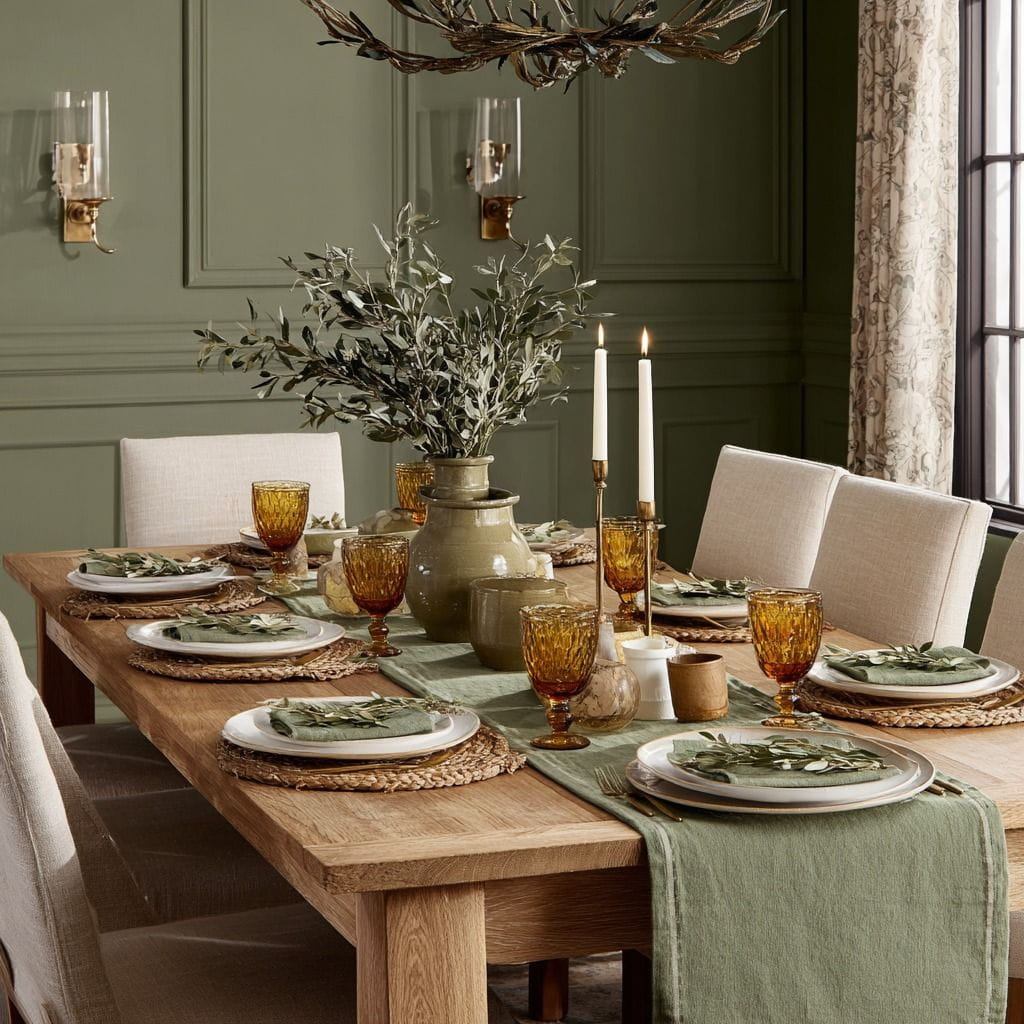
Napkins are an inexpensive way to change the table. Keep the plates neutral and rotate two or three colours through the year. Soft green works in spring, blue feels fresh in summer and rust brings warmth during autumn.
Cloth napkins need no elaborate folds. Fold them into rectangles or place them beneath the cutlery. Give each family member a simple napkin ring so an unstained napkin can be identified and reused.
Charity shops, car-boot sales and family cupboards are good places to find side plates, serving bowls and glassware. Instead of matching everything, repeat one detail such as blue edging, floral patterns or warm stoneware tones.
A plain modern dinner plate can work beautifully with a vintage floral side plate when the colours connect. You can also replace damaged pieces without buying a whole new set.
You do not need a different arrangement every night. Choose one small ritual that signals a slower meal. Light a candle for Friday dinner, use pasta bowls on Italian night or bring out a proper teapot at the weekend.
For informal entertaining, Debrett’s recommends using everyday plates, glasses and cutlery, then adding atmosphere with candles or tea lights. The same idea works when no guests are coming: comfort matters more than formality. ke Small Dining Spaces Work Harder
In a flat, terrace or narrow kitchen-diner, keep the table surface open. Use one centrepiece rather than several decorations and store spare napkins, coasters and cutlery in a nearby basket or trolley.
Round tables can improve movement in tight rooms. Gate leg, folding and extendable tables also provide extra places without permanently taking up floor space, as IKEA’s UK small-space guidance shows. reate a Five-Minute Dining Reset
Use the same short routine each evening:
Keep a basket nearby for objects that belong elsewhere, then empty it after dinner. This simple boundary helps an open-plan room feel more organised.
Use cork or cream placemats, white plates, clear glasses and a small green plant. Add sage, beige or pale blue napkins. This suits modern flats because it feels light and uncluttered.
Pair striped napkins with mixed crockery, a wooden board and seasonal flowers in a jam jar. It works well with pine, oak or painted kitchen furniture. A little variation adds character.
Start with durable plain plates, then add bright napkins, coloured tumblers and a fruit bowl. Let children choose the napkins or arrange the fruit. The table feels cheerful without fragile ornaments.
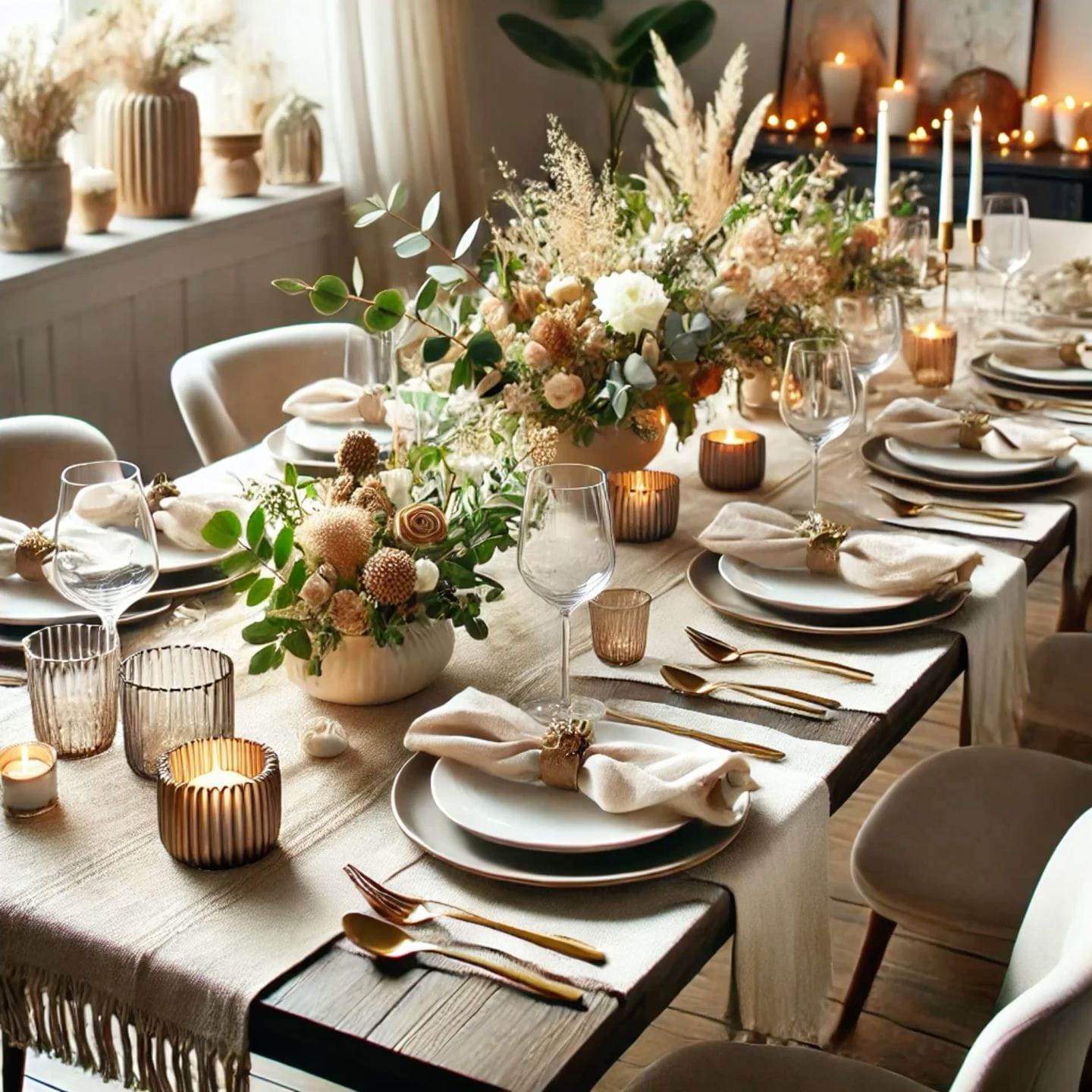
A family of four in Leeds might keep cork placemats in a basket, everyday cutlery in a portable caddy and one centrepiece tray. At dinnertime, books go into the basket, the table is wiped and the caddy comes out. The change takes only minutes.
A couple in a Manchester flat could use two placemats and a low fruit bowl on a small round table that also serves as a desk. A folded runner stored in a drawer can make weekend dinner feel different without cluttering the space.
A renter in Bristol could combine charity-shop side plates, washable napkins and a rechargeable table lamp. Repeating two colours across these pieces creates a clear look without permanent changes. These are illustrative examples, but each system can be adapted to other homes.
Shake crumbs from table linen before washing, unfold napkins and avoid packing the machine too tightly. Warm or gentle cycles and mild detergent are commonly recommended for linen and linen blends, although the care label should always come first. lls promptly rather than rubbing them. Keep machine-washable napkins for daily use and reserve delicate linen for occasional meals. Wipe-clean placemats are useful for curry night, children’s dinners or oily dishes.
Shop your cupboards before buying anything. A mixing bowl can become a fruit bowl, an old bottle can work as a bud vase and a small chopping board can hold oils and seasonings.
When you spend money, choose flexible pieces. A jug can hold water or flowers. A tray can organise the centrepiece or carry tea. A neutral bowl can appear at breakfast, supper and Sunday lunch. Fewer useful pieces usually create a better table than lots of single-purpose decorations.
Everyday table setting is not about making home life formal. It is about creating a comfortable place to pause and eat. Start with a basic setting, add one low centrepiece and choose materials that fit the way your household really lives.
The best table is not the one that looks perfect all day. It is the one that can handle porridge, homework, a takeaway and a family roast, then reset without fuss. Use what you own, keep the arrangement simple and let small routines make ordinary meals feel more welcoming.

Lorem ipsum dolor sit amet, consectetur adipiscing elit. Ut elit tellus, luctus nec ullamcorper mattis, pulvinar dapibus leo. Ut elit tellus, luctus nec ullamcorper mattis, pulvinar dapibus leo