Try "kitchen decor", "appliances", or "renovation tips"
The kitchen has become much more than a place to prepare meals. For many UK households, it is now the heart of the home where families gather, children finish homework, friends catch up over a cup of tea, and everyday life happens.
However, some kitchen features that were once considered stylish or practical have started to feel dated. Trends change, lifestyles evolve, and modern homeowners are looking for kitchens that feel open, functional, and easy to maintain.
According to many kitchen designers, the biggest shift is away from overly complicated designs and towards spaces that feel warm, personal, and practical. Homeowners are choosing natural materials, clever storage solutions, better lighting, and flexible layouts instead of features that make kitchens feel dark or outdated.
The good news is that updating an old kitchen does not always mean a complete renovation. Small changes, such as replacing cabinet handles, improving lighting, or changing worktops, can make a noticeable difference without spending thousands of pounds.
Here are six kitchen features designers believe are becoming outdated, along with affordable alternatives that can help UK homeowners refresh their space.
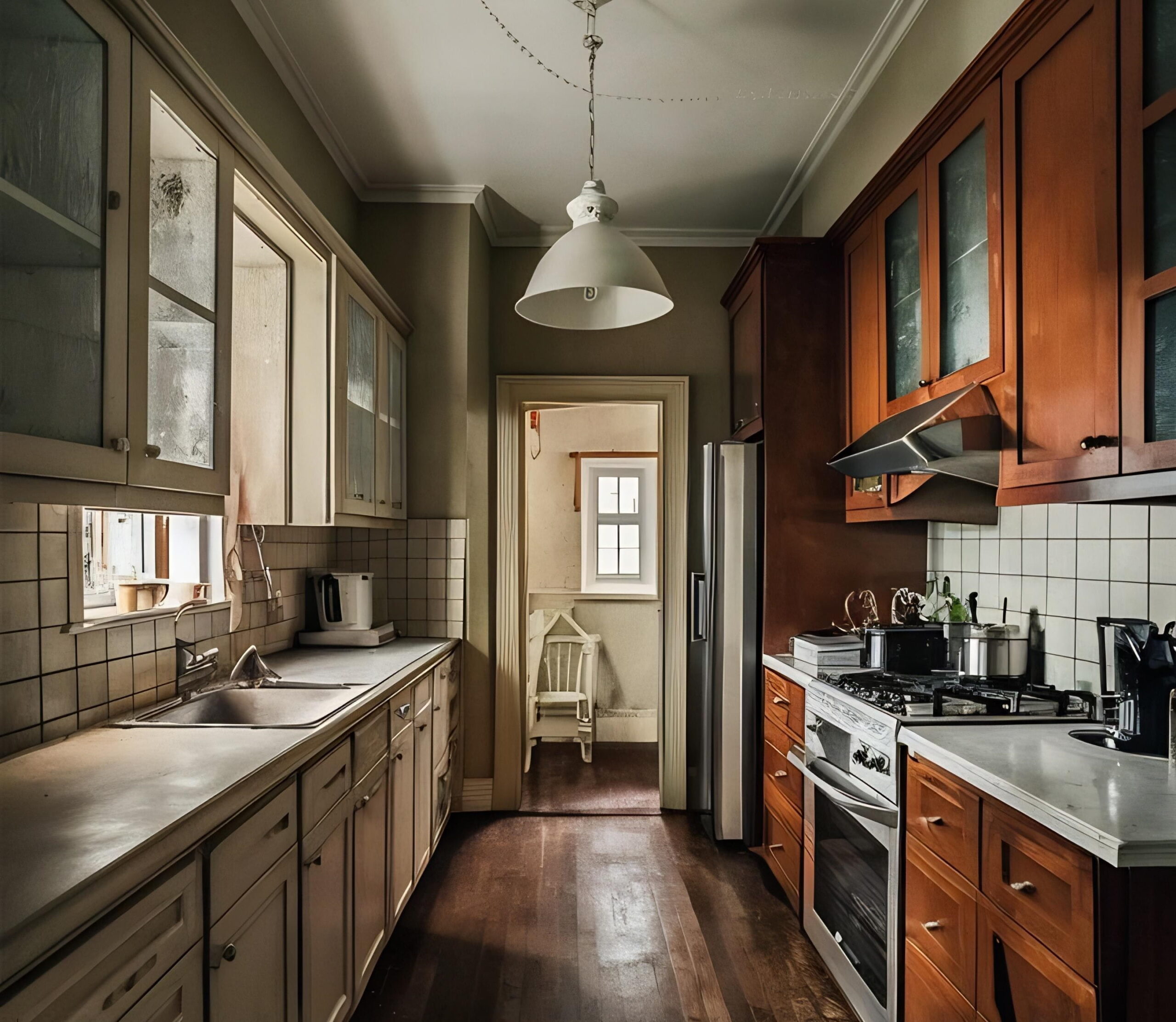
Dark wooden kitchen cabinets were extremely popular in the past, especially in larger homes where they created a traditional and luxurious appearance. However, many designers now feel that very dark cabinetry can make kitchens appear smaller, heavier, and less welcoming.
In many UK homes, particularly Victorian terraces and smaller modern flats, natural light can already be limited. Dark cabinets often absorb that light, making the kitchen feel closed in rather than spacious.
Modern kitchens are moving towards lighter colours and softer finishes. Shades such as warm white, sage green, soft grey, and muted blue are becoming popular because they create a calmer and brighter atmosphere.
Natural wood is still loved by designers, but the focus has changed. Instead of full dark wooden kitchens, homeowners are choosing wooden accents such as oak shelves, timber breakfast bars, or wood-effect cupboards combined with lighter colours.
For example, a homeowner in Manchester might keep their existing wooden cabinets but repaint the doors in a soft neutral shade and replace old handles with brushed brass ones. This simple update can completely change the appearance of the kitchen without the cost of a full replacement.
If your cabinets are still in good condition, consider:
A small refresh can often give an older kitchen a completely new personality.
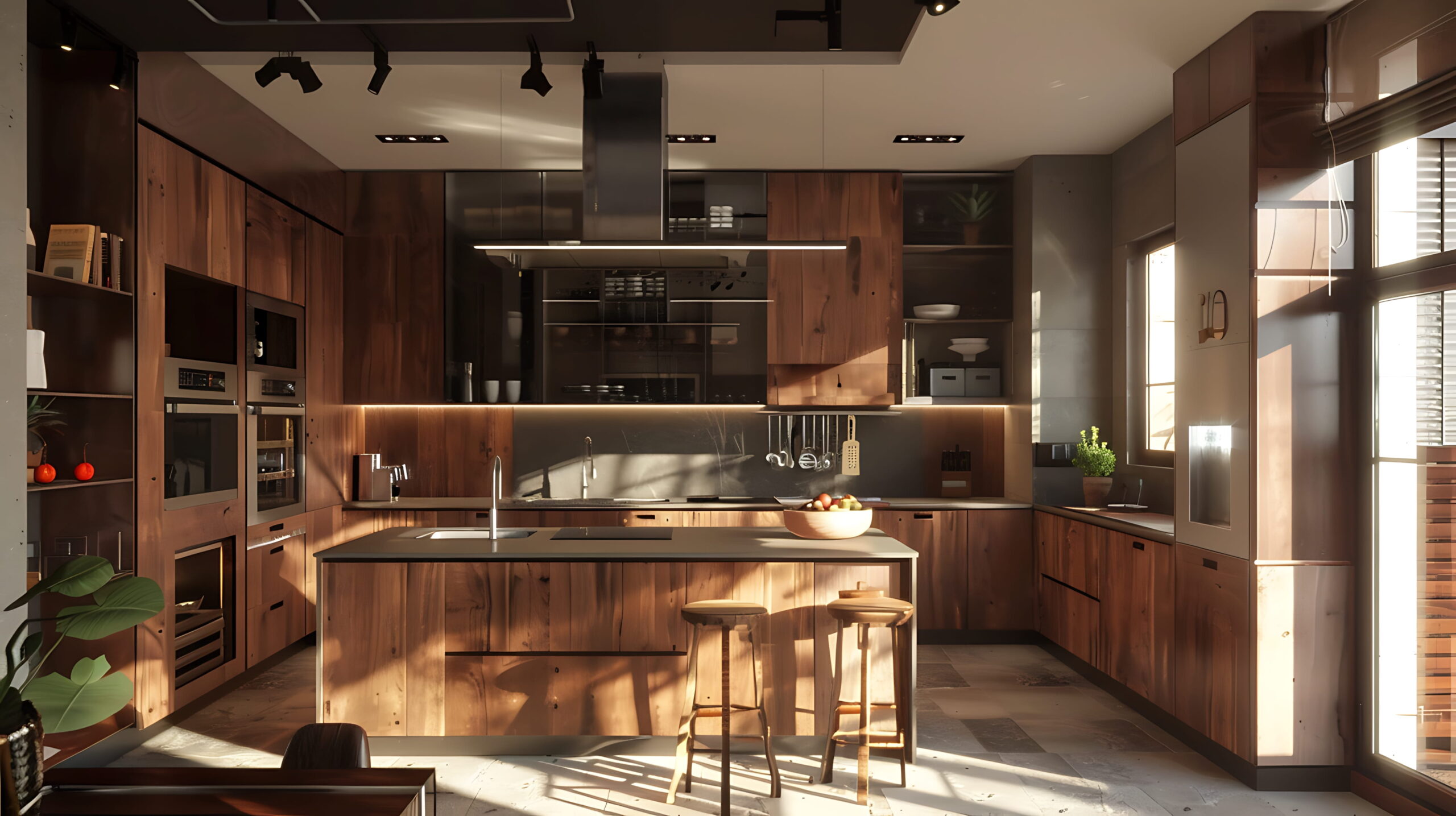
Wall cabinets were once seen as essential in every kitchen because homeowners wanted maximum storage space. However, designers are now questioning whether every available wall needs to be filled with cupboards.
A kitchen covered entirely with upper cabinets can make the room feel cramped and block natural light. This is especially noticeable in smaller UK kitchens where space is already limited.
wall cabinets.
Many contemporary kitchen designs now combine closed storage with open areas. A mixture of cupboards, shelves, and display spaces creates a more relaxed and personalised look.
Open shelving can be used to display:
This approach also makes the kitchen feel more connected to the rest of the home.
However, open shelves should be used carefully. Too many can create clutter, especially for busy households. The key is balance.
A family in Birmingham may remove one row of upper cabinets and replace them with two floating oak shelves. The kitchen instantly feels brighter while still keeping enough storage for everyday essentials.
For homeowners who need storage, tall pantry cupboards and drawer organisers are often better solutions than adding more wall cabinets.
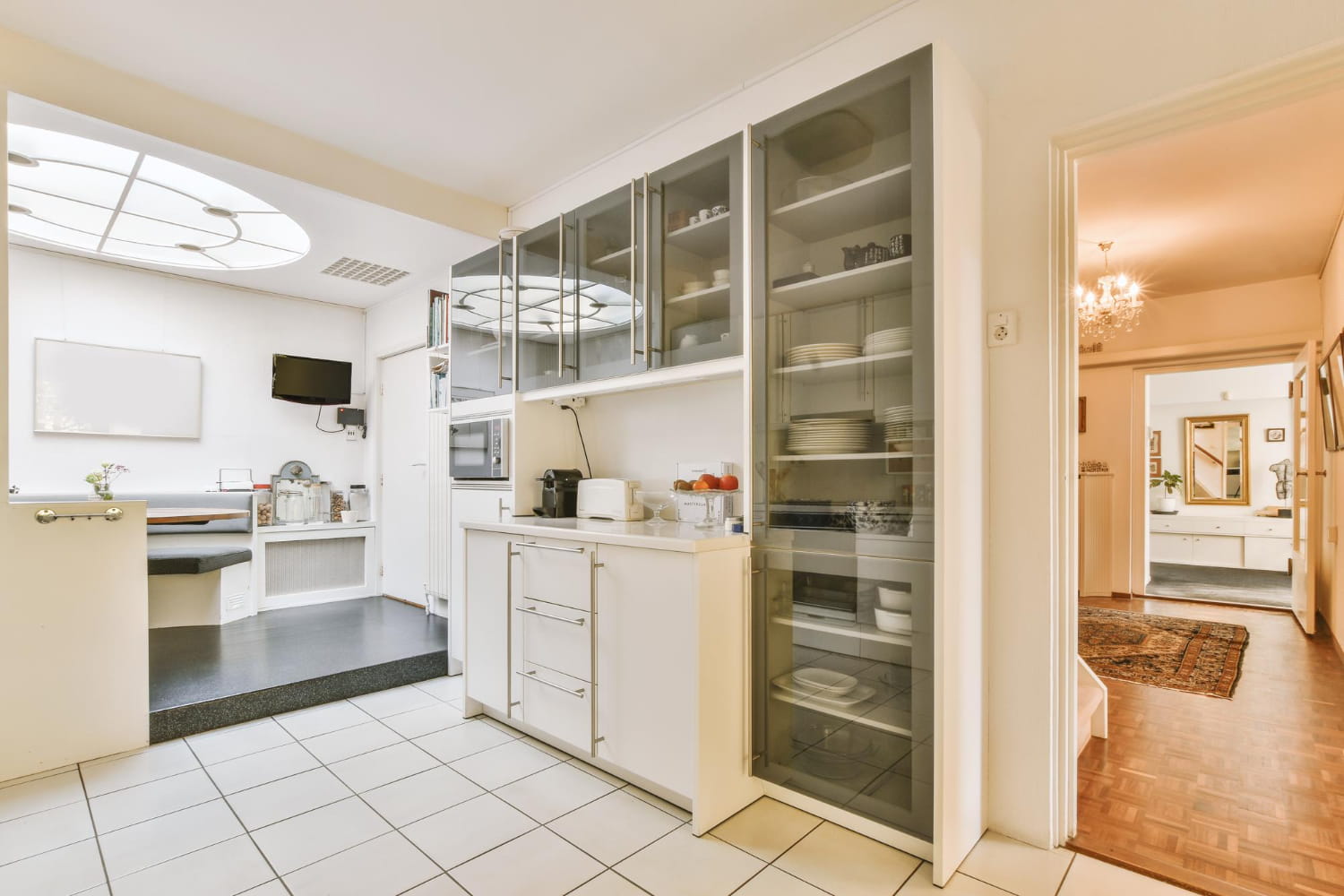
Older kitchen designs often focused on filling every corner with cabinets and appliances. While this approach created storage, it sometimes resulted in kitchens that were difficult to use.
Modern designers are moving away from complicated layouts that make cooking feel like a chore.
A well-designed kitchen should allow you to move easily between key areas, such as:
This is sometimes called the kitchen work triangle, but the main idea is simple: everything you use regularly should be within easy reach.
Many UK homeowners are also choosing multifunctional spaces where the kitchen connects naturally with dining and living areas.
You may not need to knock down walls to improve your kitchen. Small changes can help:
A kitchen should support your daily routine rather than make everyday tasks harder.
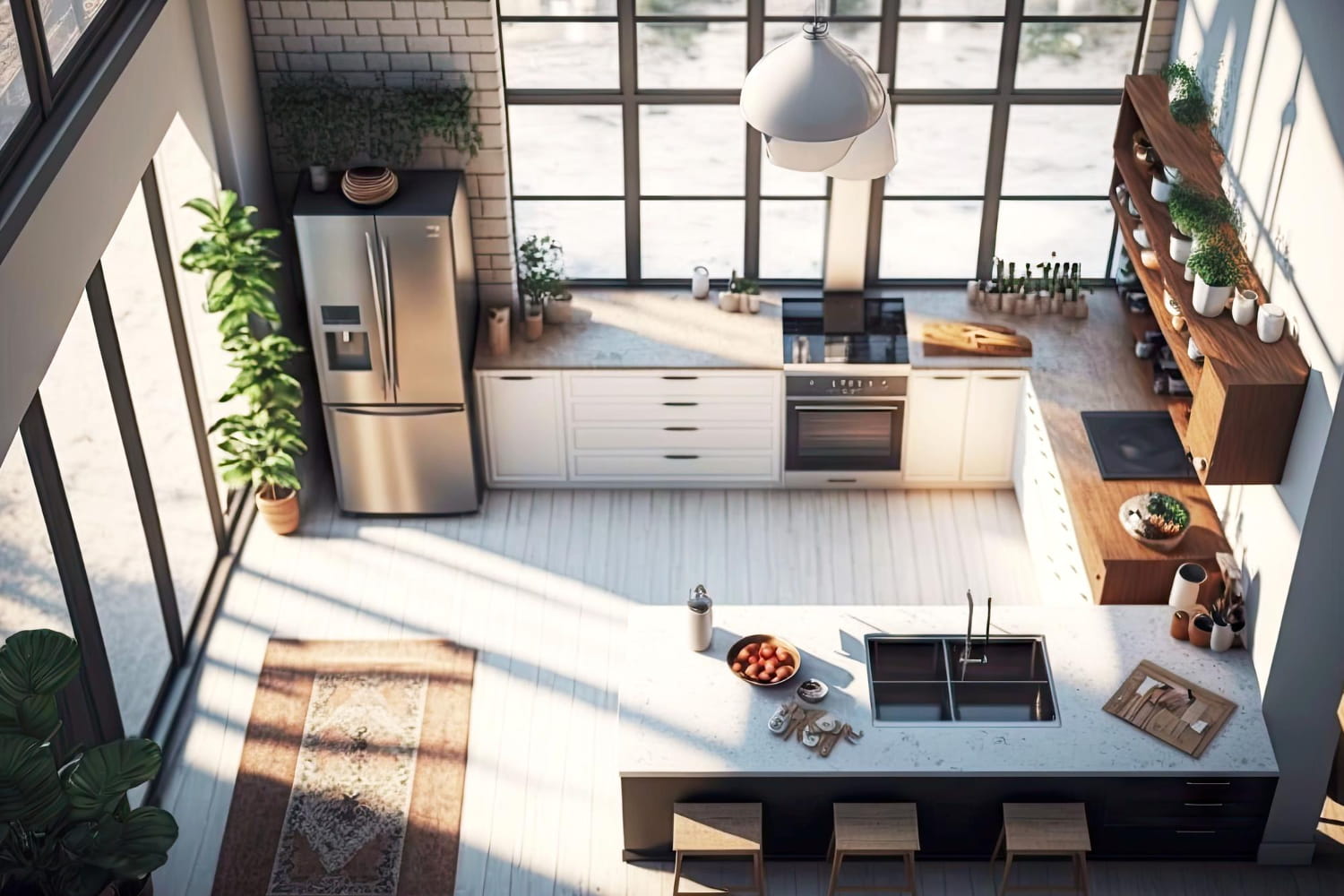
Glossy kitchens had a major moment over the last decade. High-shine cabinets, artificial stone effects, and ultra-sleek surfaces were popular because they created a modern appearance.
However, many designers now feel these finishes can make kitchens look less personal and harder to keep clean.
Fingerprints, water marks, and small scratches often show quickly on glossy surfaces, which can become frustrating for busy families.
Current kitchen trends are moving towards materials that feel warmer and more authentic.
Popular choices include:
These materials create kitchens that feel comfortable rather than showroom-like.
For example, replacing a shiny splashback with handmade-style tiles can add character without requiring a full kitchen makeover.
If replacing cabinets is not possible, focus on smaller details:
These touches can soften an outdated kitchen quickly.
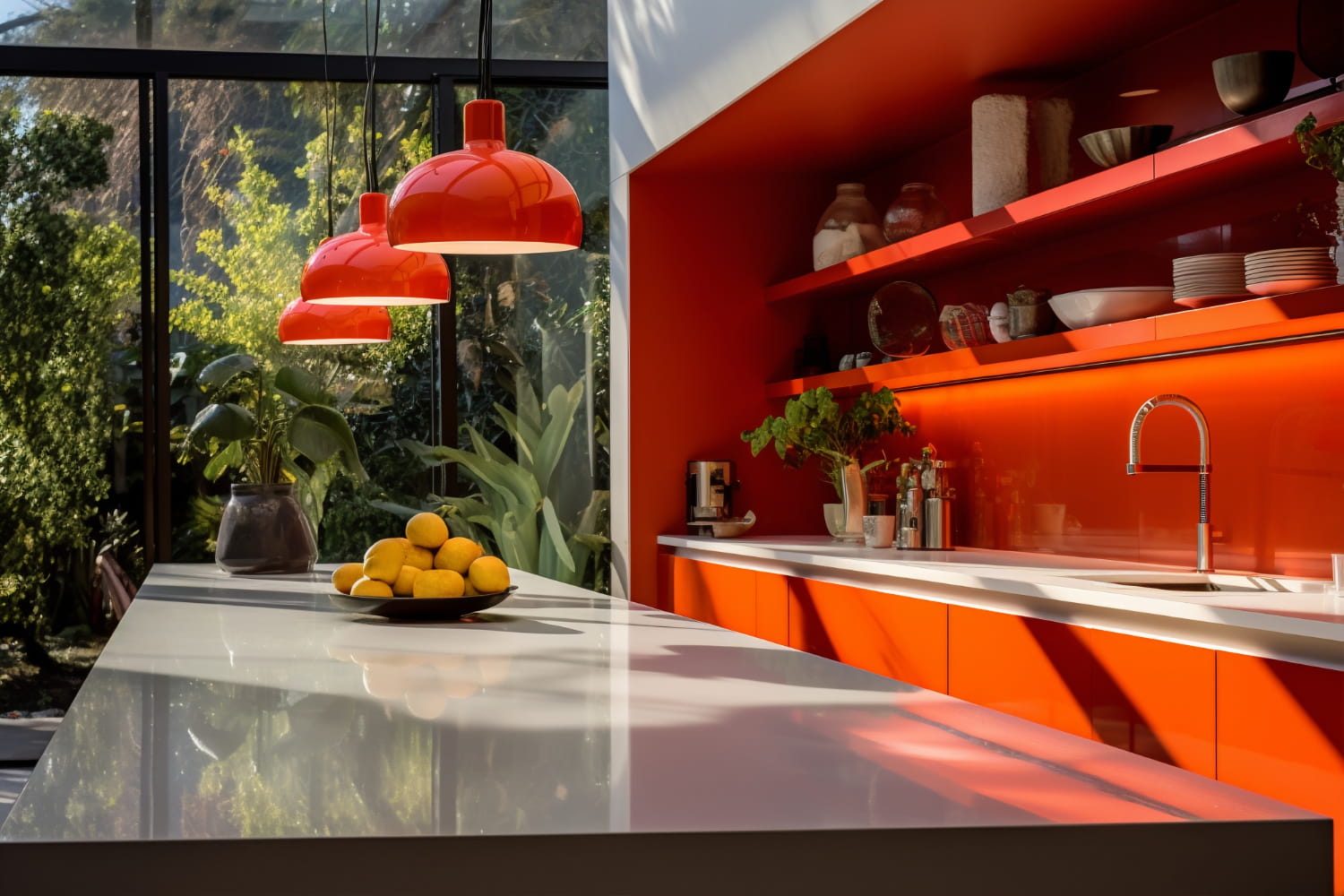
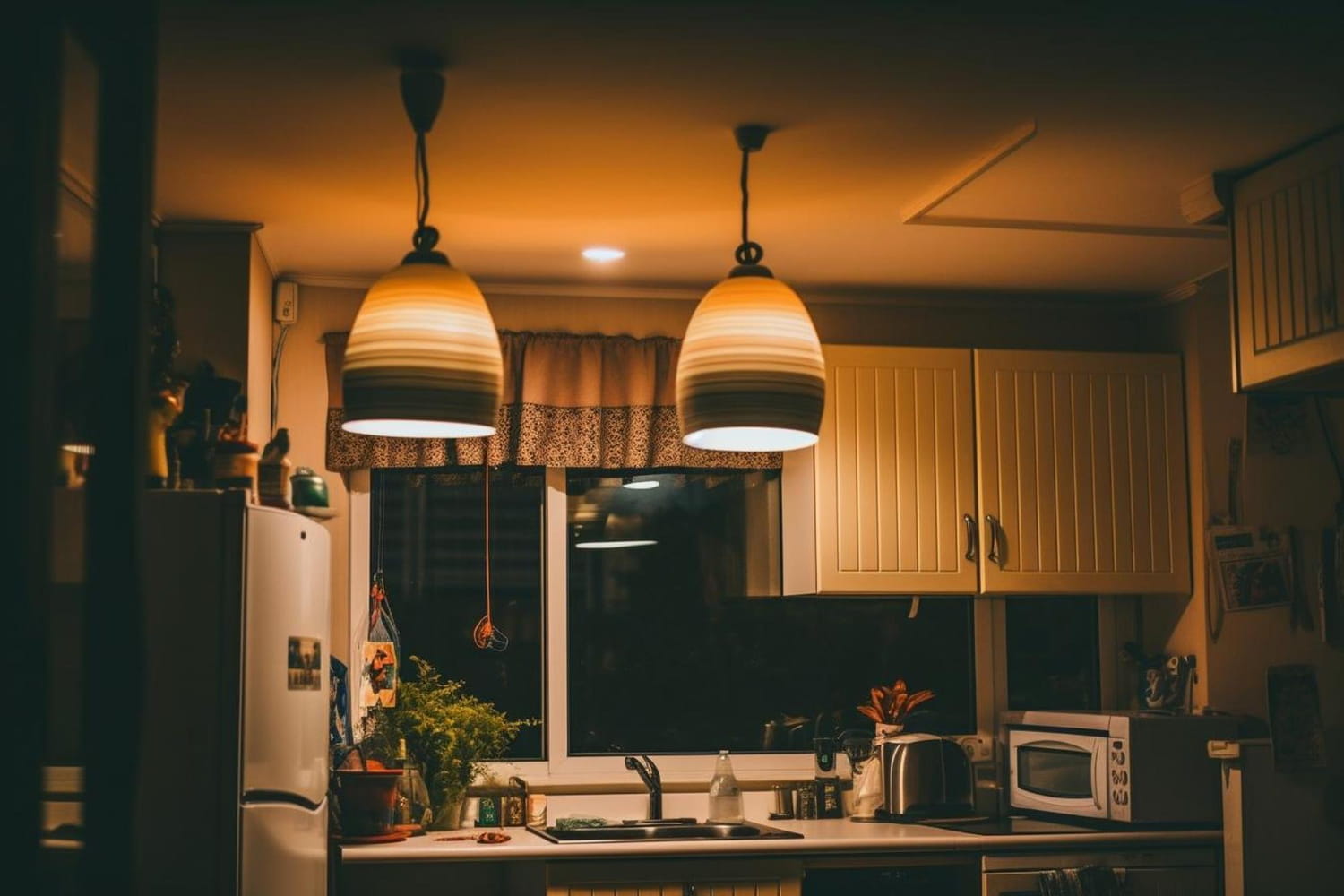
Lighting is one of the most overlooked parts of kitchen design. Many older kitchens rely on a single ceiling light, which can create shadows and make the space feel dull.
Modern designers consider lighting an important part of both style and functionality.
Instead of one bright central light, homeowners are choosing different lighting sources for different purposes.
A practical kitchen may include:
This approach works particularly well in UK homes where winter months bring shorter daylight hours.
You do not need an expensive electrical renovation. Simple additions such as battery-powered LED strips under cabinets or stylish pendant lamps can make a big difference.
Good lighting can make an older kitchen feel newer almost instantly.
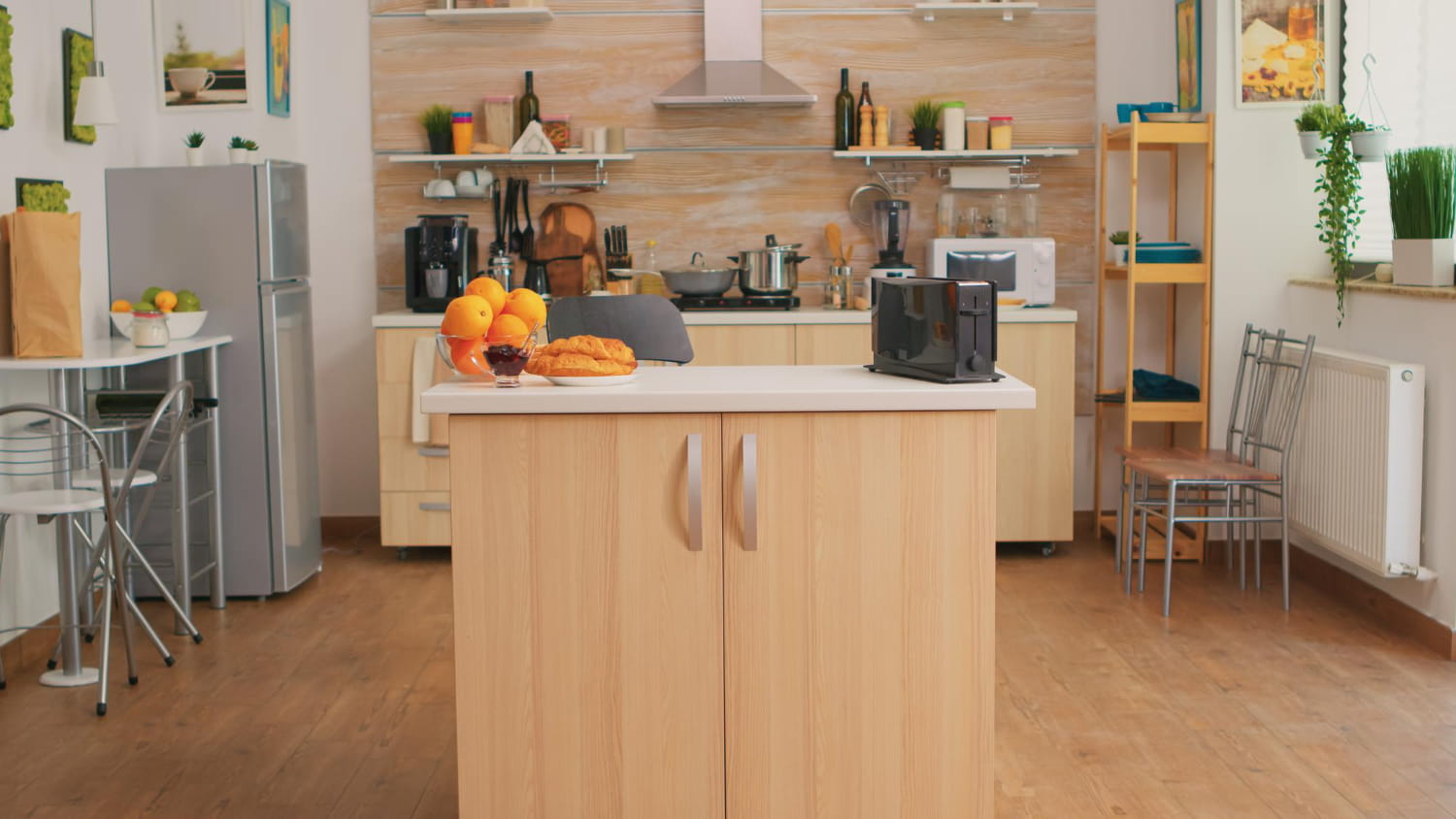
Traditional British homes often had kitchens hidden away from the rest of the house. While separate kitchens still work well for some families, many designers believe fully closed-off layouts are becoming less suitable for modern lifestyles.
Today’s homeowners often want kitchens that connect with dining and living spaces.
Modern families use kitchens differently. Cooking is now often a social activity rather than something done separately.
A more connected layout allows homeowners to:
However, completely open-plan layouts are not always practical. Some homeowners prefer a “broken-plan” design, which uses partial walls, glass doors, or room dividers to create separation while maintaining connection.
If removing walls is too expensive, consider:
Small changes can create a more modern feeling without major construction work.
A complete kitchen renovation can easily cost thousands of pounds, but many updates do not require a large budget.
Here are some affordable ways UK homeowners can improve their kitchens:
Painting cabinets or replacing handles can completely change the look of the room.
Here are some affordable ways UK homeowners can improve their kitchens:
Better lighting improves both appearance and everyday usability.
New taps, splashbacks, curtains, stools, or accessories can make an old kitchen feel refreshed.
Modern kitchens are not just about appearance. Smart storage solutions can make everyday life easier
Kitchen design is constantly changing, but the best kitchens are not always the most expensive ones. They are the spaces that work well for the people who use them every day.
Features such as heavy dark cabinets, excessive wall storage, poor lighting, and outdated finishes may make a kitchen feel stuck in the past. However, simple updates can help create a brighter, more practical, and more enjoyable space.
For UK homeowners, the goal is not to follow every trend. It is about creating a kitchen that feels comfortable, functional, and suited to modern living.
Whether you make small improvements or plan a full renovation, thoughtful changes can add style, improve daily routines, and even increase your home’s value.

Lorem ipsum dolor sit amet, consectetur adipiscing elit. Ut elit tellus, luctus nec ullamcorper mattis, pulvinar dapibus leo. Ut elit tellus, luctus nec ullamcorper mattis, pulvinar dapibus leo