Try "kitchen decor", "appliances", or "renovation tips"

A kitchen renovation can make a home more enjoyable, easier to maintain and better suited to everyday life. It can also be a significant expense, so it is sensible to ask whether the money will be worth it.
The answer depends on what you want from the project. If you plan to stay in your home for years, better storage, improved lighting and a layout that works for your household may be valuable even if the renovation does not pay for itself when you sell. If you are renovating specifically to increase the sale price, the numbers deserve closer attention.
This guide looks at the financial and practical reasons to renovate, when a smaller update may be enough and how to avoid spending more than your property can reasonably justify.
A well-designed kitchen can make a property more appealing to buyers, but there is no guaranteed return. The value added depends on the property's location, size, condition, local buyer expectations and quality of the work.
Which? reports that professionals it consulted estimated a possible 5–15% uplift from kitchen renovations, with non-structural remodelling often discussed in the 5–10% range and projects that add space potentially higher. These are broad expert estimates, not promises. A particular property may see a much smaller increase, and the cost of the work may exceed any additional sale value.
The condition of the existing kitchen matters. Replacing a damaged, dated or poorly functioning room may remove an obstacle for buyers. Replacing a perfectly usable kitchen with an expensive, highly personalised design may not bring a comparable return.
A renovated kitchen is only one part of a home's value. Look at comparable properties in your area and consider their condition, layout and likely asking prices. A premium kitchen may be harder to justify in a modest flat than in a larger home where buyers expect a higher specification.
If selling is the main goal, ask a local estate agent or chartered surveyor for a realistic view before committing to major work. Online estimates can be useful for context, but they cannot fully account for the property's condition or the quality of nearby comparable homes.
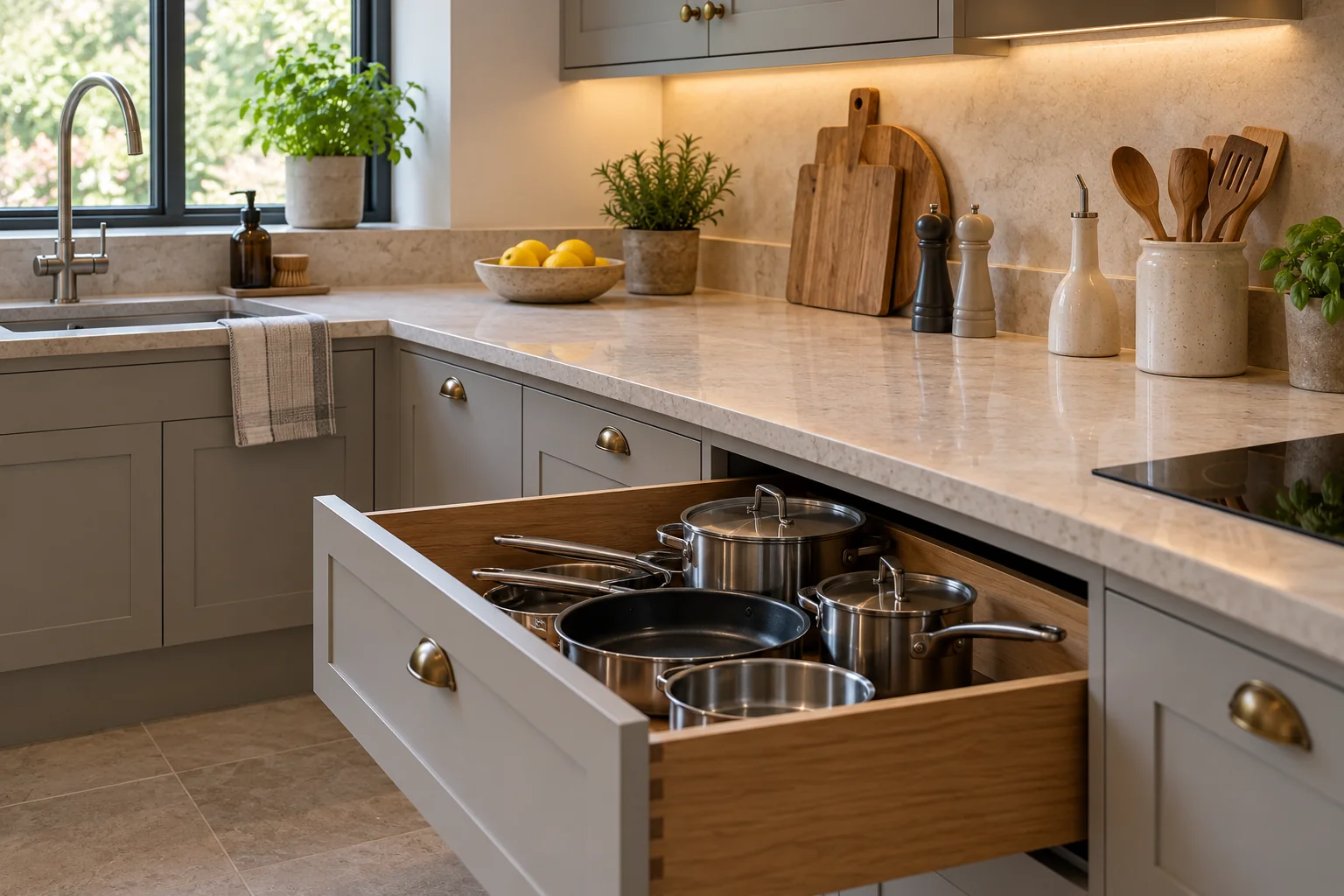
A kitchen that is awkward to use can create small frustrations every day. Poorly placed appliances, insufficient worktop space and inaccessible cupboards make cooking and cleaning harder than they need to be.
Changing the layout or adding practical storage can improve the room even if the renovation adds little to the eventual sale price. If you cook regularly, entertain family or use the kitchen as a shared living space, those benefits may matter more than a theoretical return on investment.
Damaged cabinet bases, persistent leaks, failing worktops or poor ventilation should not be hidden behind attractive new doors. A renovation gives you an opportunity to investigate and correct underlying issues before they cause further damage.
If the problem is localised, though, a targeted repair may be enough. Replacing the entire kitchen is not automatically the best solution to a leaking sink or a broken hinge.
A sensible layout can reduce unnecessary movement and make storage easier to manage. Better task lighting, an effective extractor and durable surfaces can also make the kitchen more comfortable to use.
These improvements may not translate neatly into a resale figure, but they can have real value while you live there.
A clean, well-maintained kitchen can help buyers imagine moving in without needing immediate work. Neutral finishes and reliable fittings may appeal to a wider range of people than a bold, highly personal design.
That does not mean every home needs a brand-new kitchen before sale. A deep clean, fresh paint, repaired sealant and updated handles may be enough if the room is fundamentally sound.
If you plan to sell in the near future, a full renovation can be difficult to recover financially. You may spend money on finishes that buyers would have chosen differently, and the project could delay putting the property on the market.
Consider a modest refresh first. Repair visible damage, improve lighting, tidy the worktops and make sure doors, taps and appliances work properly.
Replacing a functional kitchen simply because its colour is no longer fashionable may offer limited practical benefit. If the layout works and the cabinets are sound, changing handles, repainting suitable doors or updating the splashback can create a fresh look at a lower cost.
A very expensive kitchen may not make financial sense if comparable homes in the neighbourhood sell at a much lower price. This does not mean you should never spend on a home you love, but you should be clear about whether the project is for personal enjoyment or resale value.
Removing a wall or extending the kitchen can improve the layout, but it introduces additional cost, disruption and possible approval requirements. Get professional advice and a realistic estimate before assuming the extra space will pay for itself.
There is no universal budget that suits every household. Start with the property's current value, your savings, the condition of the room and how long you expect to stay.
Which? advises homeowners to be cautious about spending more than around 10–15% of a home's current value on a kitchen renovation, and its cost-saving guidance also discusses keeping spending within a lower proportion of value. Treat these figures as broad rules of thumb, not a formula for calculating your return.
Include the full project cost: units, worktops, appliances, labour, plumbing, electrics, flooring, decorating, waste removal and a contingency for surprises. Obtain at least three itemised quotes and compare the same specification.
Before deciding, ask yourself four questions:
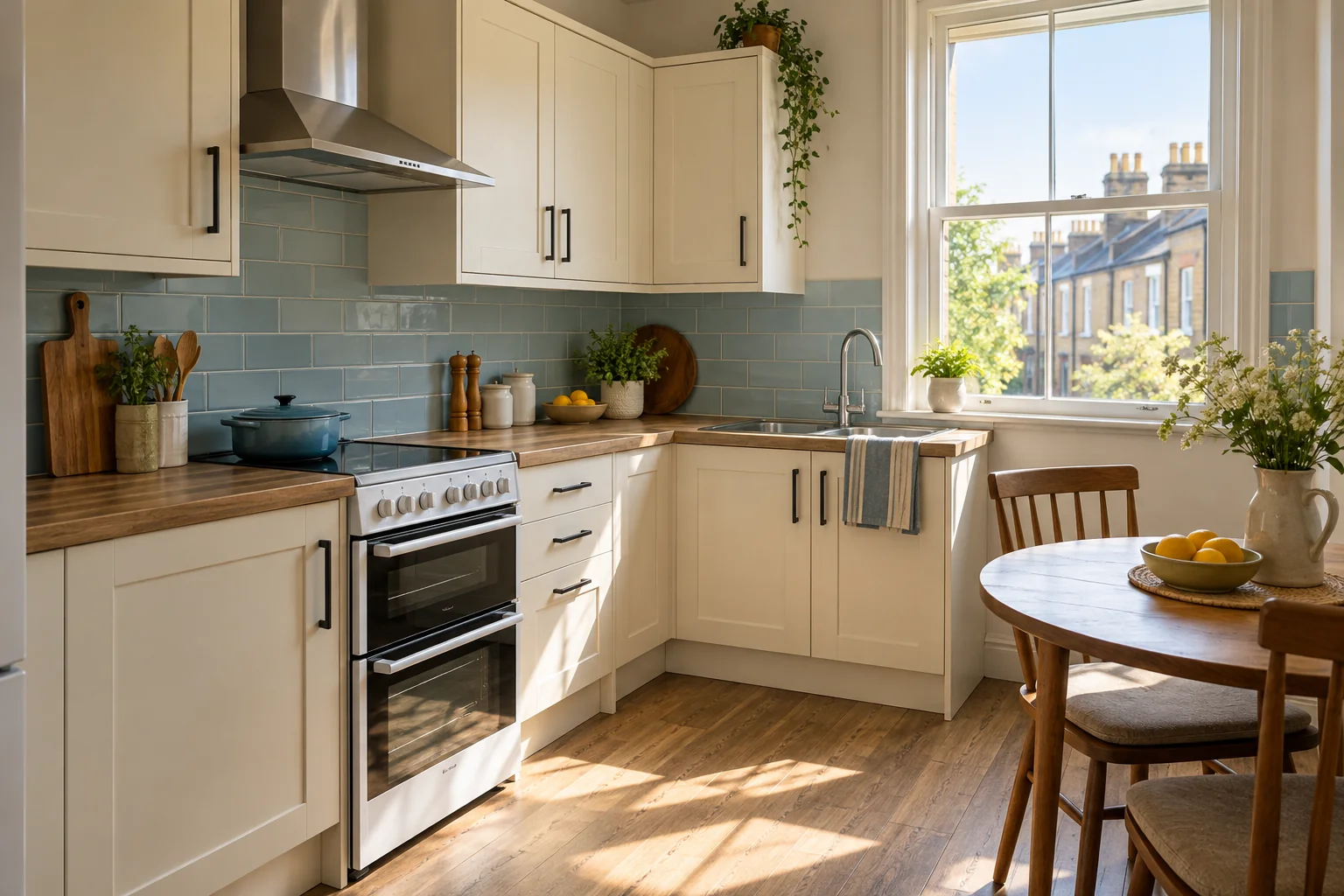
Imagine a homeowner planning to sell a two-bedroom terrace. The cabinets are dated but intact, the appliances work and the layout is practical. A full refit could use a large part of the renovation budget without guaranteeing a matching increase in the sale price.
A fresh coat of paint where appropriate, new handles, improved lighting and repairs to the worktop and sealant may make the room present better. The money saved could be used to address other visible issues around the property.
Now consider a kitchen with damaged units, poor ventilation and a layout that makes it difficult to prepare meals. A more substantial renovation may be justified because it resolves real problems, although the homeowner should still compare cost against local property values.
A neutral kitchen is not the same as a bland kitchen. Texture, natural wood, considered lighting and a few well-chosen details can make the room attractive without requiring premium materials throughout.
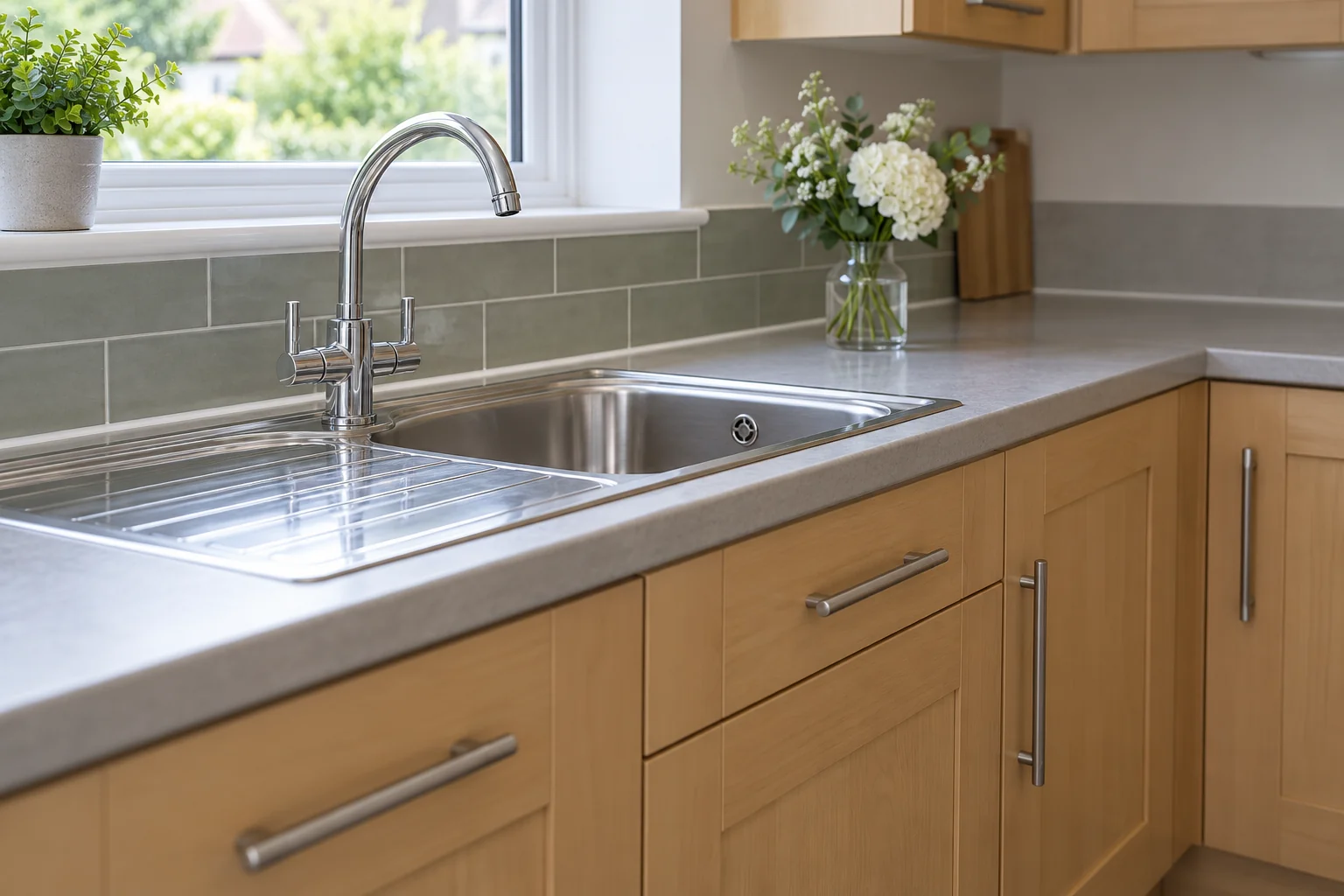
If the kitchen is dirty, cluttered or visibly neglected, start with cleaning and repairs. Make sure handles are secure, taps do not drip, sealant is in good condition and doors open properly. Small defects can make buyers worry about larger hidden problems.
If the kitchen is unusable or seriously damaged, ask an estate agent and a suitable contractor to compare the likely sale position with the cost of work. In some cases, buyers may prefer to choose their own kitchen and the better option may be to price the property accordingly.
Is a kitchen renovation worth it? It can be, but the answer is not simply a percentage increase in property value. A renovation may be worthwhile because it fixes persistent problems, improves everyday comfort or helps your home suit changing needs.
If resale is your priority, be realistic about the local market and avoid assuming that every pound spent will come back in the sale price. If you intend to stay, weigh the cost against the years of use you expect to get from the improvements.
The best renovation is one with a clear purpose, a sensible budget and choices that make the room work better—not one that costs the most.

Make more of your kitchen with practical tips on furniture, decor, appliances, cleaning and renovation. Discover useful guides and food ideas to create a space that works beautifully every day.